Latching relays play a critical role in power systems, particularly in applications that require reliable and energy-efficient switching. Unlike traditional relays, which rely on continuous power supply to maintain their state, latching relays are designed to remain in a given state after being switched by a short-duration pulse. This unique characteristic makes them highly advantageous in power system applications where minimizing energy consumption and maximizing operational reliability are essential.
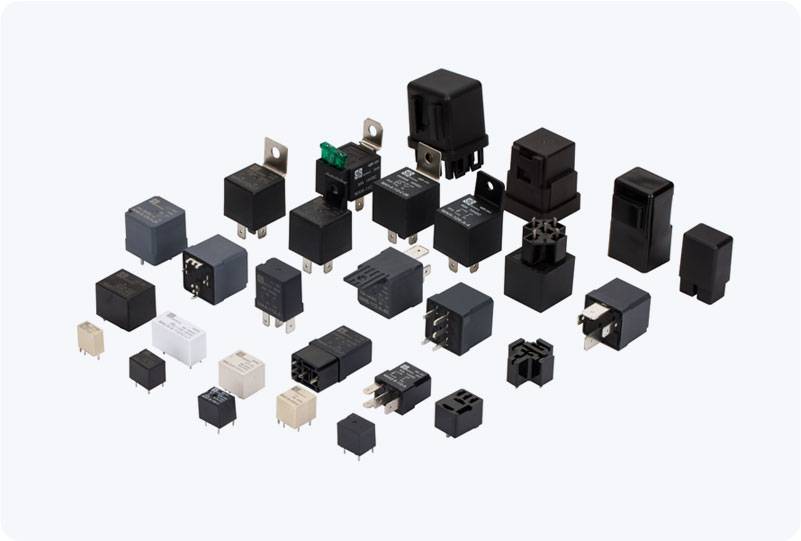
What is a Latching Relay? A latching relay is an electromagnetic switch that uses a pulse of current to change its state from open to closed (or vice versa), and it remains in that state without requiring continuous power. These relays have two stable positions—commonly known as “latched” or “unlatched” states. The relay’s contacts are controlled by a magnetic latch mechanism, which holds the contacts in position until another pulse is applied to switch them back. This feature differentiates them from standard relays, which require a constant flow of electricity to keep their contacts in the desired position.