In today’s rapidly advancing technological world, ensuring the optimal performance of electronic devices and systems is paramount. One of the key factors in maintaining the efficiency and longevity of these systems is effective temperature control. As electronic components become more powerful, they generate heat that can cause damage if not properly managed. This is where Thermal Management Relays (TMR) come into play. These critical components help regulate and maintain temperature levels within a safe range, preventing overheating and ensuring the proper functioning of electronic systems.
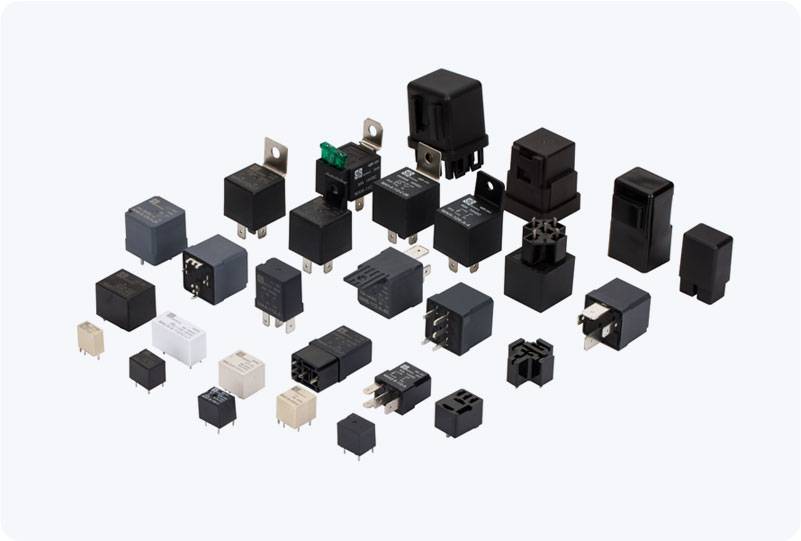
What is a Thermal Management Relay? A Thermal Management Relay is an electrical switch that operates based on temperature conditions. It is designed to monitor and control the temperature of electronic devices or systems by switching circuits on and off in response to temperature changes. The primary function of these relays is to prevent overheating, which can lead to component failure, safety hazards, or even fires in extreme cases. TMRs are commonly used in applications such as electric vehicles, power supplies, batteries, motors, LED lighting, and industrial machinery. How Does a Thermal Management Relay Work?