Relay connections are a fundamental component in modern communication and networking systems. Whether it’s sending an email, forwarding a message, or expanding network coverage, relay connections play a crucial role in ensuring data flows efficiently across different systems. This article explores what relay connections are, how they work, and why they are essential in various fields of technology.
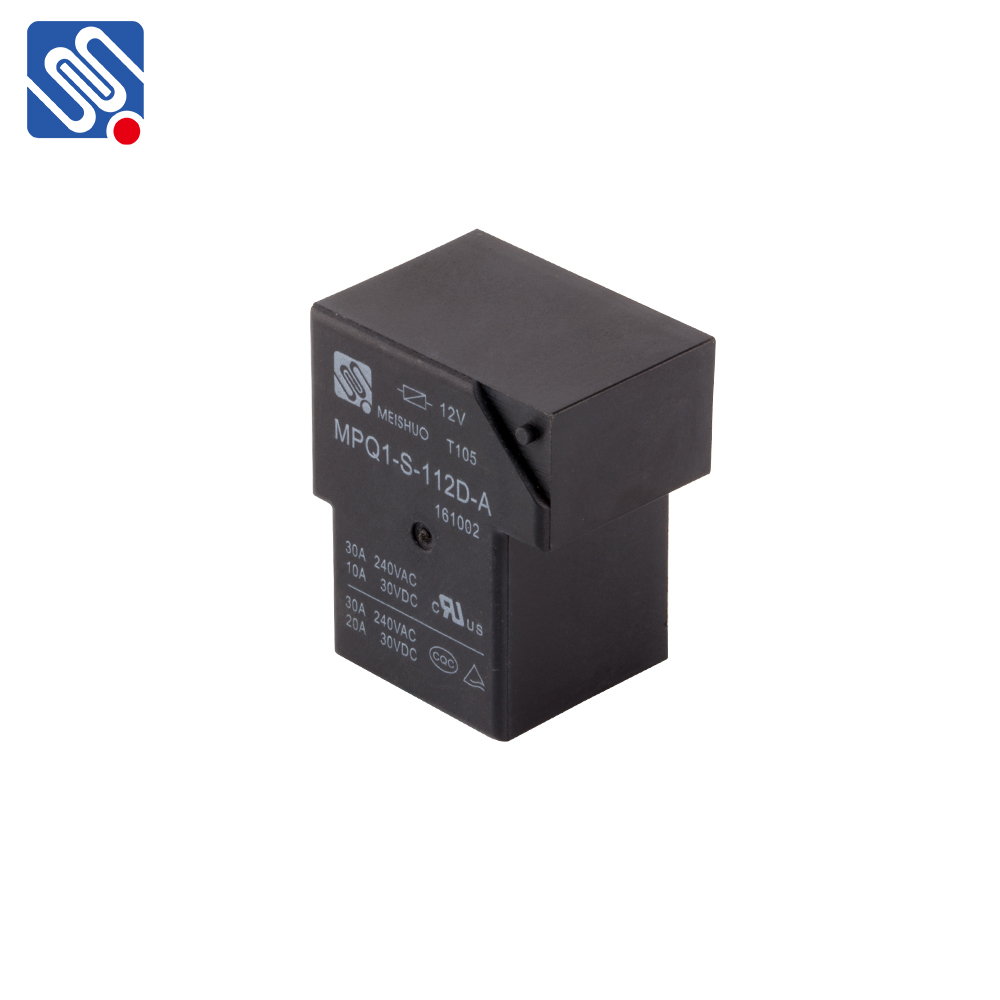
What are Relay Connections? In simple terms, a relay connection refers to a process where data or signals are forwarded from one point to another through an intermediary device or service. The intermediary device, often called a relay, is responsible for receiving data from the sender and passing it along to the recipient. Relay connections are used in a wide range of systems, including networking, communication, and even transportation. Types of Relay Connections Network Relay Connections In the world of computer networks, relay connections are most commonly used in the form of relays in email servers and proxy servers. These relays help in the seamless transmission of data between different systems, even when they are separated by large distances or firewalls.