In modern industrial settings, the ability to control motors with precision and reliability is vital for operational efficiency. One component that plays a crucial role in this aspect is the Motor Control Power Relay. This device acts as an intermediary, allowing low-voltage control signals to manage high-voltage electric motors effectively. Understanding how Motor Control Power Relays work, their types, applications, and benefits can help industries optimize their processes and enhance safety.
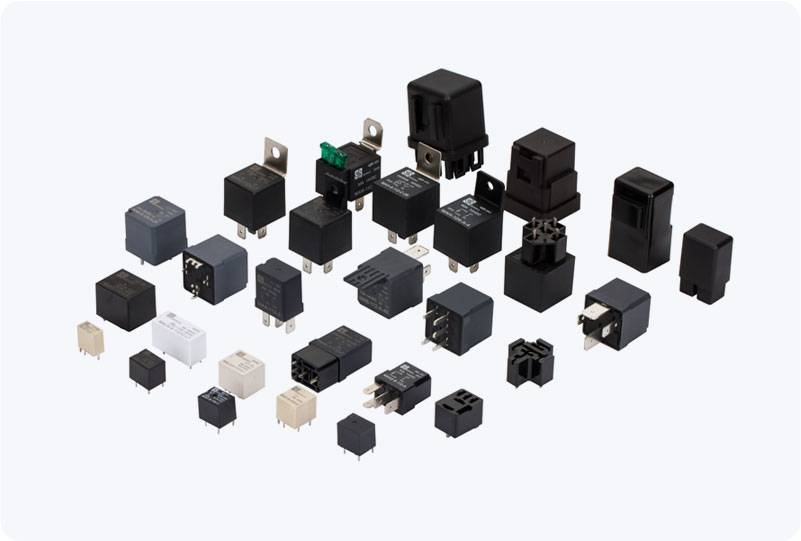
What is a Motor Control Power Relay? A Motor Control Power Relay is an electromechanical device designed to switch electrical circuits on and off, primarily to control electric motors. When a control signal is applied to the relay, it activates a coil that generates a magnetic field, pulling a movable armature to close or open contacts in the power circuit. This action allows for the control of larger currents and voltages, making it a fundamental component in motor control systems. Types of Motor Control Power Relays Motor Control Power Relays come in various types, each catering to specific needs. The most common types include: