In the world of industrial automation, protection, and control, relays play a crucial role in ensuring the safety, reliability, and efficiency of electrical systems. The importance of these components cannot be overstated, especially in critical applications such as power generation, distribution, and industrial machinery. To ensure the highest standards of performance, longevity, and safety, the Institute of Electrical and Electronics Engineers (IEEE) has established a series of standards governing the design, testing, and application of industrial relays. These IEEE Standards for Industrial Relays serve as a benchmark for manufacturers and engineers, providing guidelines for product quality, system reliability, and proper functionality in the face of challenging industrial conditions.
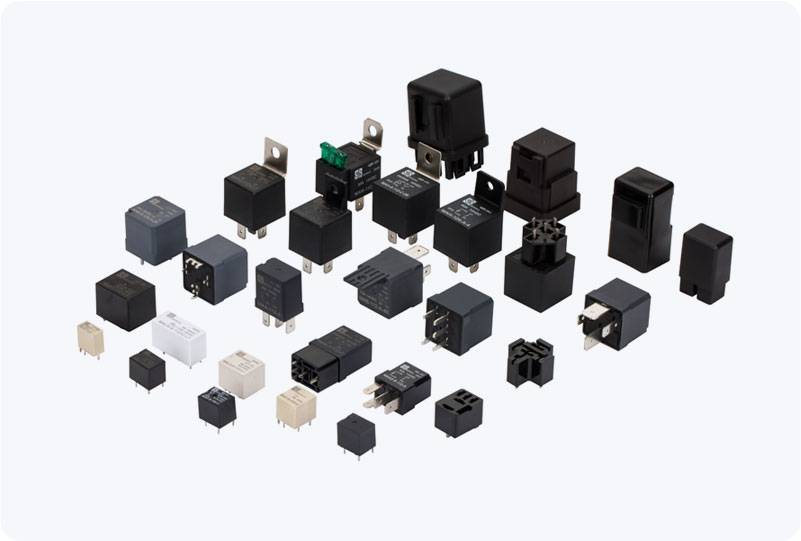
The Role of IEEE Standards in Industrial Relay Design IEEE Standards for Industrial Relays focus on various aspects, including mechanical and electrical performance, testing protocols, and protection system integration. These standards are vital for the proper design of relays, ensuring they can handle the complex environments they are exposed to in industrial settings. Without these standards, the potential for malfunction, inefficiency, or even catastrophic failures would be much higher. Key standards such as IEEE C37.90, IEEE C37.90.1, and IEEE C37.90.2 cover various safety aspects of relay operation, such as surge withstand capability, electromagnetic interference (EMI) resilience, and the ability to withstand transient events. These aspects are particularly crucial in environments where equipment is exposed to high-voltage spikes, rapid electromagnetic transients, or environmental disturbances that can lead to the failure of relay systems if not adequately addressed.