In today’s increasingly environmentally conscious world, the emphasis on sustainability and safety in manufacturing processes has never been more crucial. One significant regulation that serves this purpose is the RoHS (Restriction of Hazardous Substances) Directive. Among the many products affected by this directive is the solenoid valve, a critical component used in various industrial applications. This article delves into what a RoHS Compliant Solenoid Valve is, its importance, applications, and the benefits it brings to manufacturers and consumers alike.
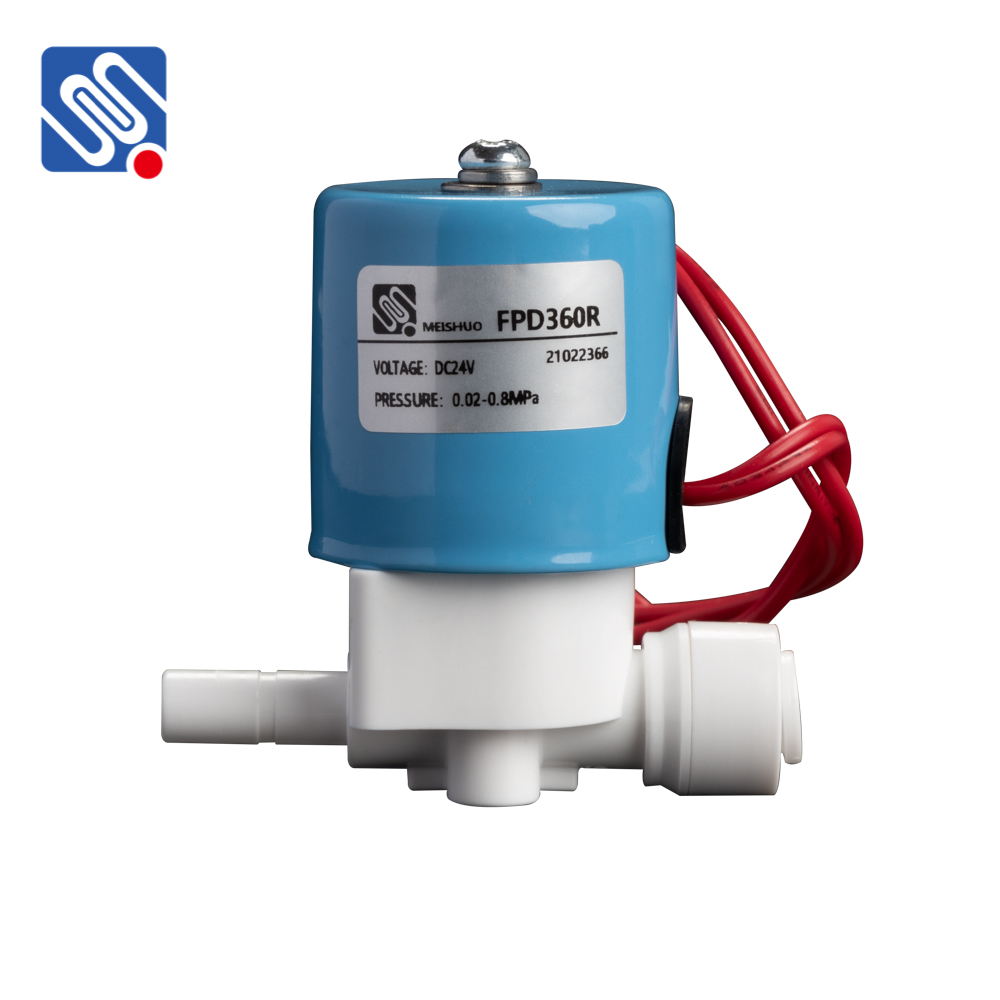
What is a RoHS Compliant Solenoid Valve? A solenoid valve is an electromechanical device that controls the flow of liquids or gases through a system. It operates using an electromagnetic solenoid to open or close the valve, allowing for precise control in applications like irrigation, HVAC systems, process control, and more. A RoHS Compliant Solenoid Valve indicates that the materials used in its construction do not exceed the allowable limits of certain hazardous substances as defined by the RoHS Directive, including lead, mercury, cadmium, hexavalent chromium, and two types of brominated flame retardants.