In today’s modern construction landscape, efficient water supply systems are essential for both residential and commercial buildings. One of the critical components that contribute significantly to this efficiency is the Building Water Supply Solenoid Valve. This electronic device plays a pivotal role in controlling the flow of water in various applications. This article aims to provide a detailed overview of the functionality, benefits, and various applications of Building Water Supply Solenoid Valves.
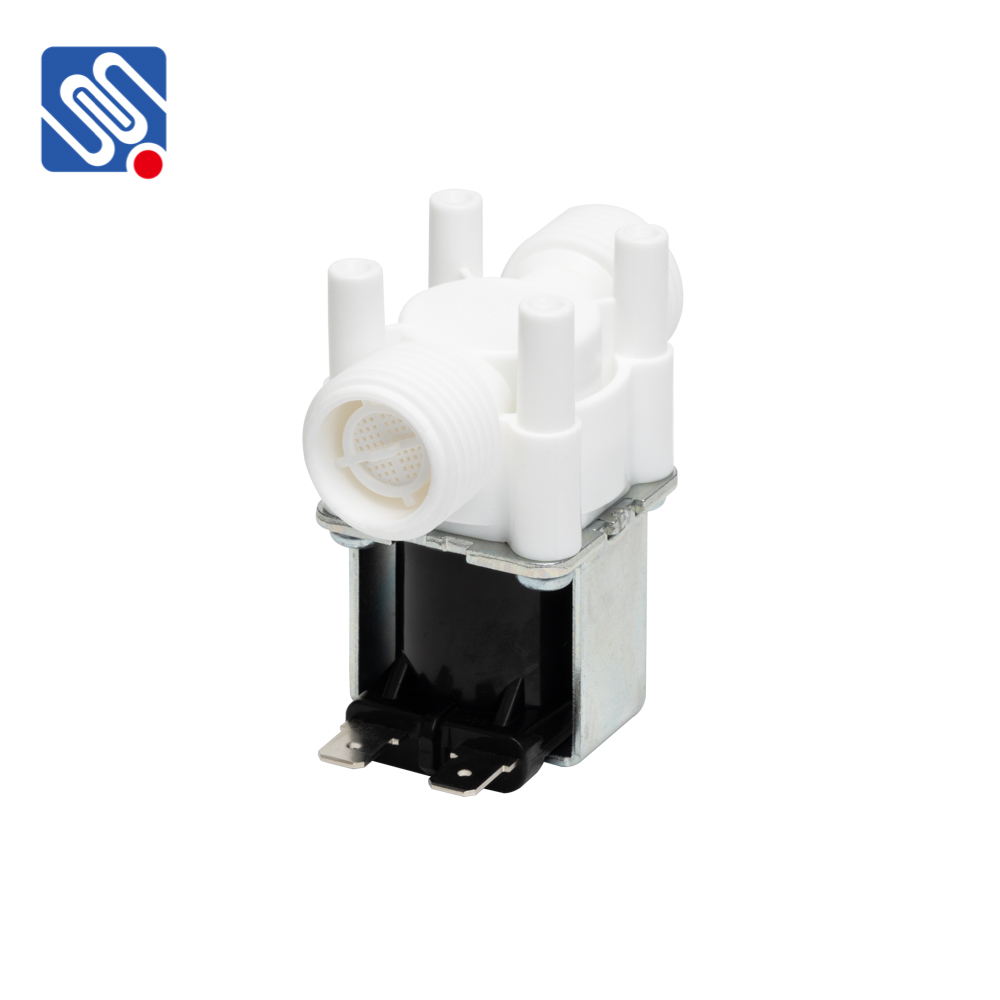
Functionality of Solenoid Valves A solenoid valve is an electromechanical device that operates by using an electromagnetic coil to control the flow of water. When electrical current passes through the coil, it generates a magnetic field that either opens or closes the valve. This mechanism is what makes solenoid valves particularly effective in managing water flow. The valves are typically composed of various materials, such as stainless steel or high-quality plastics, to ensure durability and resistance to corrosion. There are two primary types of solenoid valves used in water supply systems: normally closed and normally open. A normally closed valve stays shut when no electrical power is supplied, making it ideal for applications where water should only flow when explicitly activated. Conversely, a normally open valve allows water to flow in the absence of electrical power and shuts off when current is applied. This versatility enables solenoid valves to be tailored to specific needs and applications.