A Relay Control System is a fundamental part of electrical engineering used to manage the switching of devices and circuits. This system leverages the action of relays, which are electromechanical devices that control the flow of electricity in a circuit. By using a small control signal, relays enable larger currents to be controlled or interrupted, making them essential in many industries and applications, such as automation, protection systems, and even home appliances.
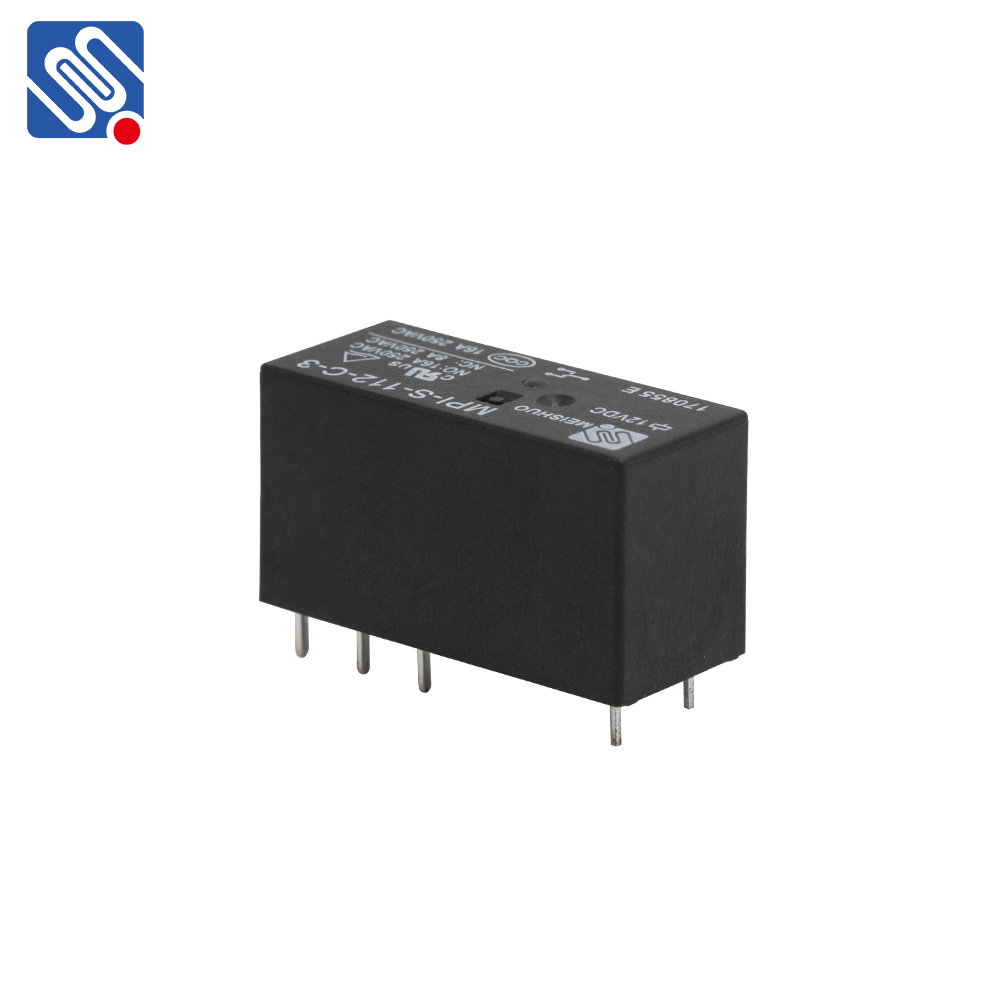
What is a Relay Control System? At its core, a Relay Control System operates by utilizing relays to control the state of a load circuit. A relay typically consists of a coil (electromagnet), contacts (either normally open or normally closed), and an armature that moves when the coil is energized. When a current flows through the coil, it generates a magnetic field, causing the armature to move and change the state of the contacts. This allows the system to either open or close a larger circuit, turning on or off the connected devices. Components of a Relay Control System A typical Relay Control System consists of several key components that work in unison: