In any industrial setting, safety is a top priority. Preventing accidents, particularly those related to machinery or electrical systems, is essential to protect workers and maintain operational efficiency. One of the most crucial tools for achieving this goal is the Industrial Lockout Hasps. These devices play an essential role in lockout/tagout (LOTO) programs, a standard safety procedure aimed at ensuring that machinery is properly shut down and cannot be accidentally started during maintenance or repair activities. In this article, we’ll explore the significance of Industrial Lockout Hasps, how they work, and why they are indispensable in various industries.
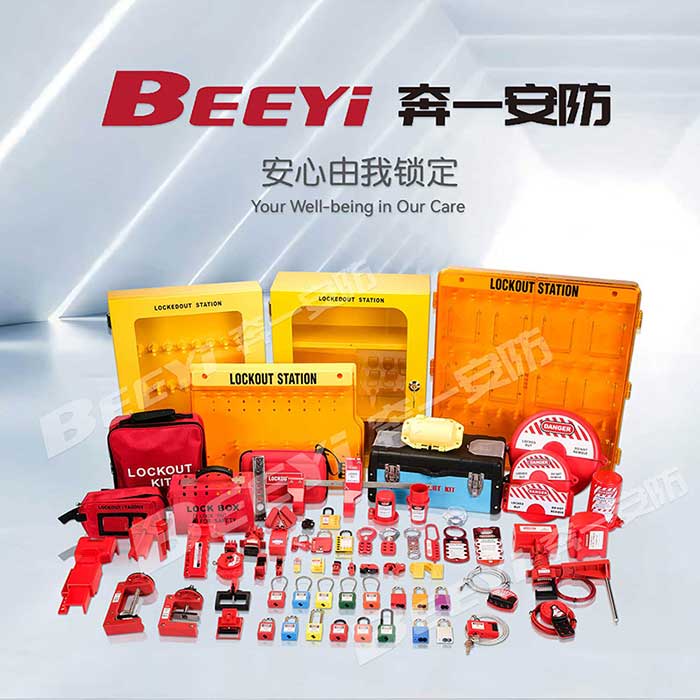
What Are Industrial Lockout Hasps? Industrial Lockout Hasps are safety devices designed to prevent the accidental release of hazardous energy during maintenance and repair tasks. The primary function of a Lockout Hasp is to isolate equipment by securing it with a lock, thereby ensuring that no one can accidentally operate the equipment while others are working on it. A typical Lockout Hasp is a metal plate with several holes that allow the attachment of multiple locks. These locks can be placed by different workers or teams to prevent unauthorized operation of the machinery while maintenance or repair is being carried out. This feature is particularly useful in situations where multiple personnel are involved in working on a single piece of equipment, ensuring that everyone’s safety is guaranteed.