Relay drives play an essential role in the world of electronics and automation, enabling the control and switching of electrical circuits. From simple household appliances to complex industrial machinery, relay drives are integral components that ensure the smooth operation of a wide range of systems. This article will explore the concept of relay drives, their working principles, applications, and the advancements that have enhanced their functionality in modern technology.
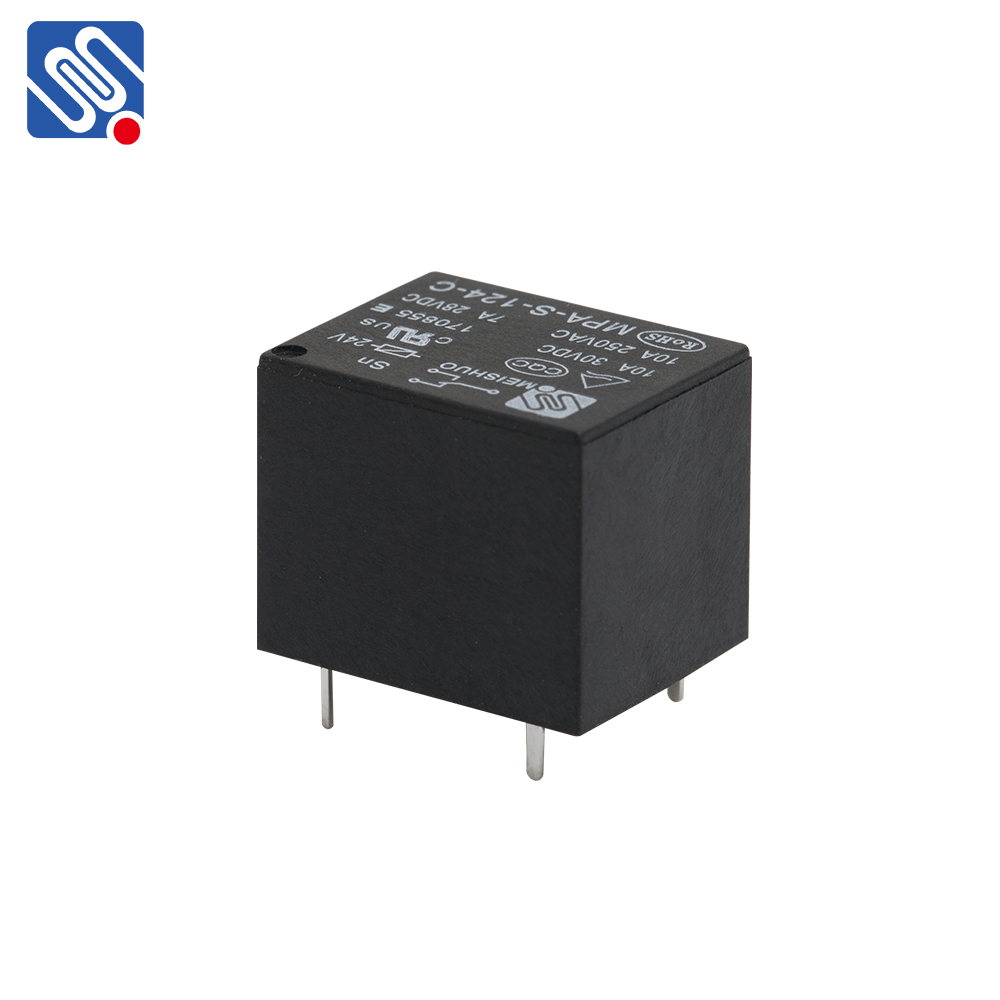
What is a Relay Drive? A relay drive, in its simplest form, refers to an electronic circuit that controls the operation of a relay. A relay itself is an electrically operated switch, which allows a low-power electrical signal to control a high-power circuit. The relay consists of an electromagnet, contacts, and a spring mechanism that controls the opening and closing of the contacts when energized. The relay drive is the driving mechanism that provides the necessary electrical current to activate the relay. The drive circuit typically involves components like transistors, MOSFETs, or operational amplifiers to amplify the control signal and ensure that the relay operates smoothly.