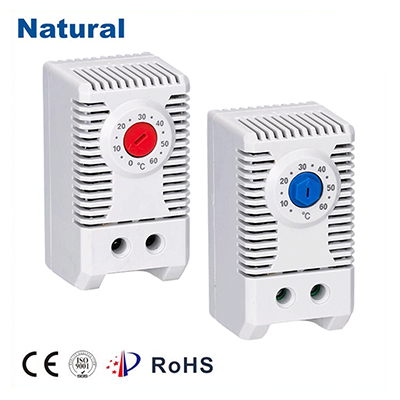
Bimetal thermostats are vital components widely utilized in various temperature control applications. These devices rely on the unique properties of two different metals that expand at different rates when heated. This article delves into the principles, applications, and advantages of bimetal thermostats, highlighting their importance in both industrial and residential settings.
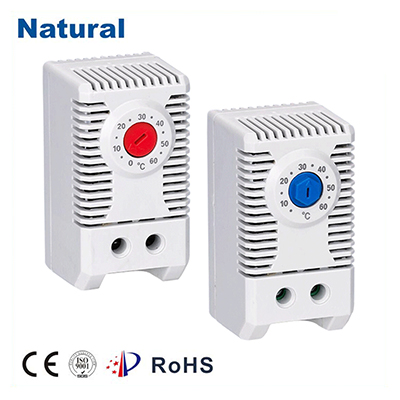
How Bimetal Thermostats Work
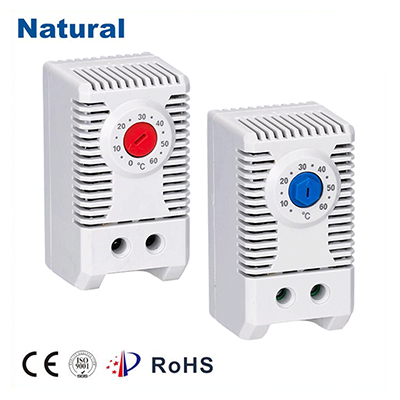
At the core of a bimetal thermostat is a bimetallic strip, which consists of two metal strips bonded together. Typically, these metals are selected for their differing coefficients of thermal expansion—common pairings include brass and steel or copper and steel. When the temperature changes, the strip bends due to the differential expansion of the two metals. As the temperature rises, the metal with the higher coefficient of expansion expands more than the other, causing the strip to bend in a specific direction. This bending action can open or close an electrical circuit, thereby activating or deactivating a device such as a heater or cooler. This simple yet effective mechanism allows bimetal thermostats to maintain the desired temperature in various systems, from household appliances to industrial machinery.