Relay signals play a pivotal role in electrical control systems, offering a reliable and versatile method of transmitting signals to control various processes and devices. As one of the most fundamental components in automation and electrical engineering, relays and their associated signals are used to switch, regulate, and monitor a wide range of industrial, automotive, and consumer applications. This article explores the key concepts behind relay signals, their functioning, and their widespread applications in diverse sectors.
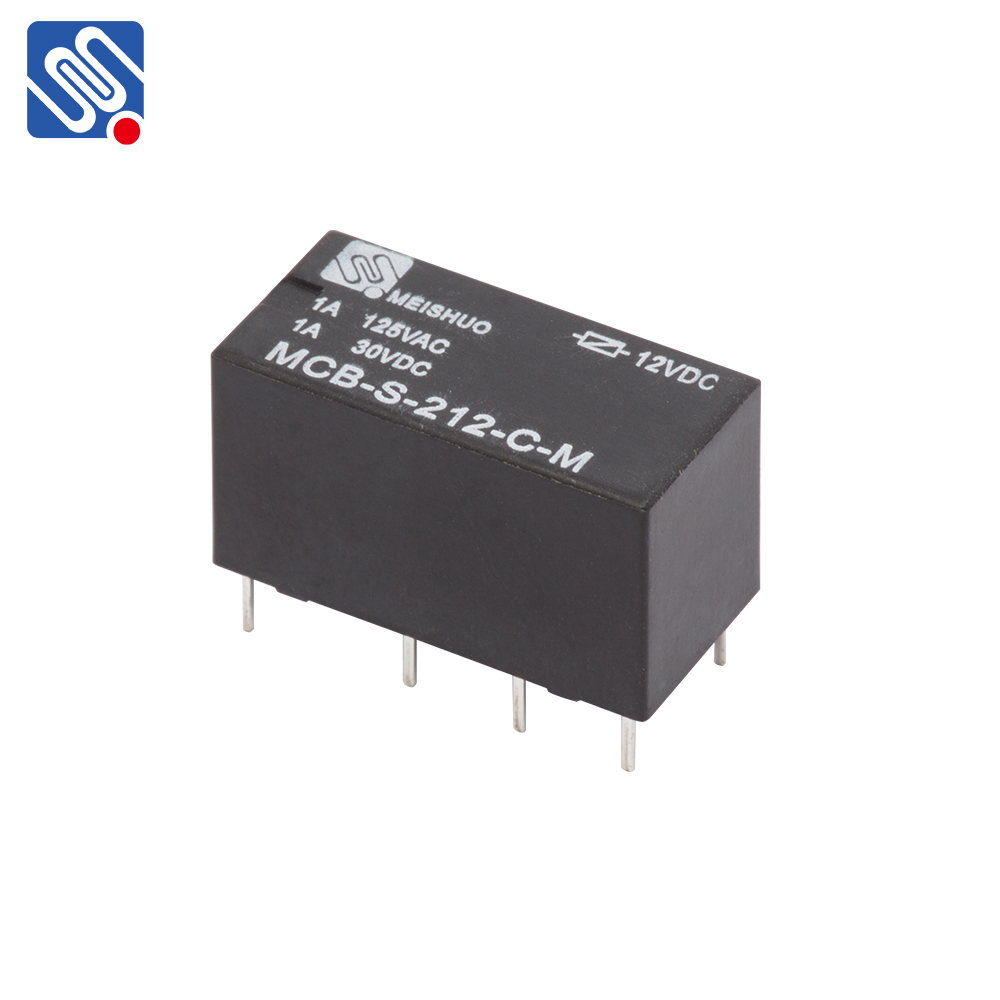
What Are Relay Signals? At their core, relay signals are electrical signals transmitted via a relay—a type of electromagnetic switch that enables a low-power electrical circuit to control a high-power circuit. The relay operates on the principle of electromagnetism: when an electrical current passes through the coil of the relay, it generates a magnetic field that moves a mechanical arm or contact. This movement either opens or closes the relay’s contacts, thus switching the power supply to the device or circuit that the relay controls. The main advantage of using relay signals is the electrical isolation they provide between the control circuit and the power circuit. This makes relays ideal for applications where low-voltage control signals are used to switch higher voltage or higher current loads, ensuring safety and preventing damage to delicate components.