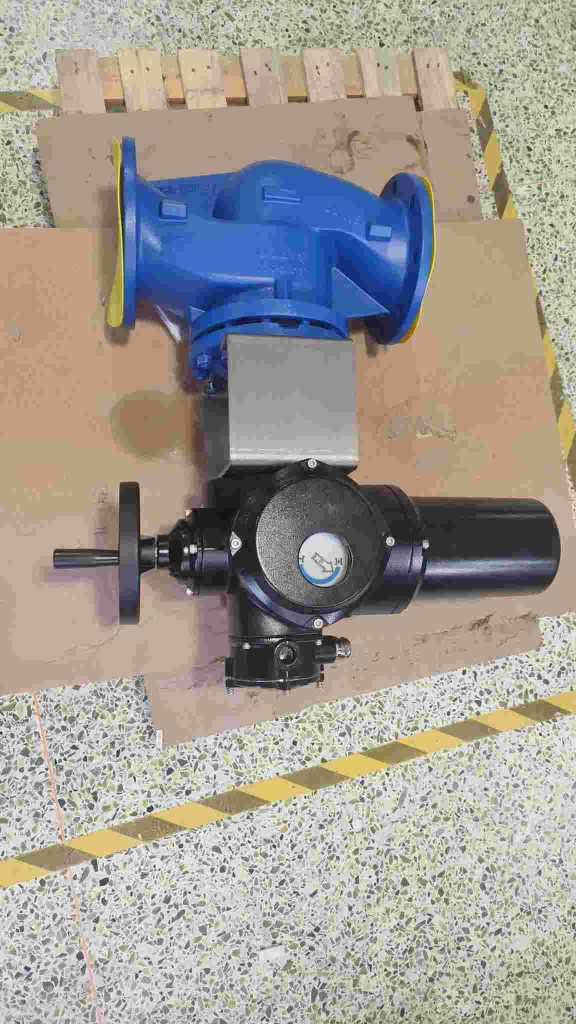
The WCB Electric Globe Valve is a critical component widely used in various industrial applications, particularly in fluid control systems. Its design and functionality make it an essential tool for managing the flow of liquids and gases. This article provides a detailed overview of the WCB Electric Globe Valve, covering its design features, operational principles, advantages, applications, and maintenance practices.
Design Features
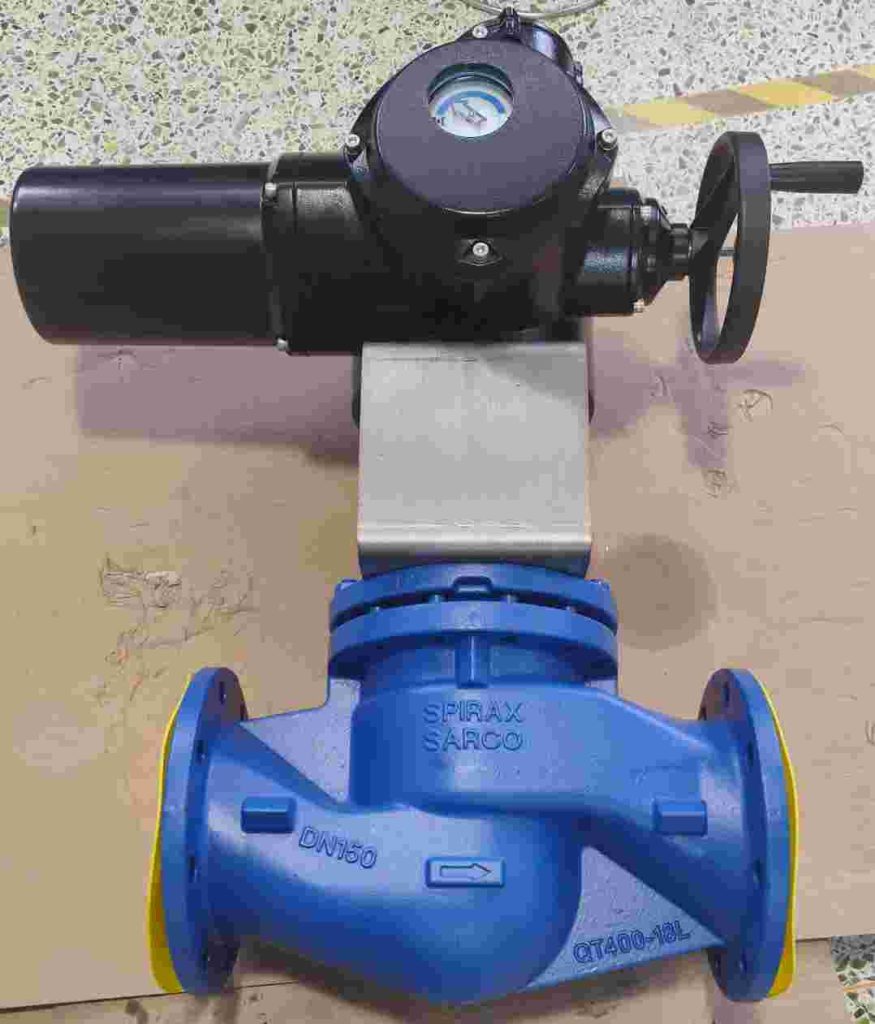
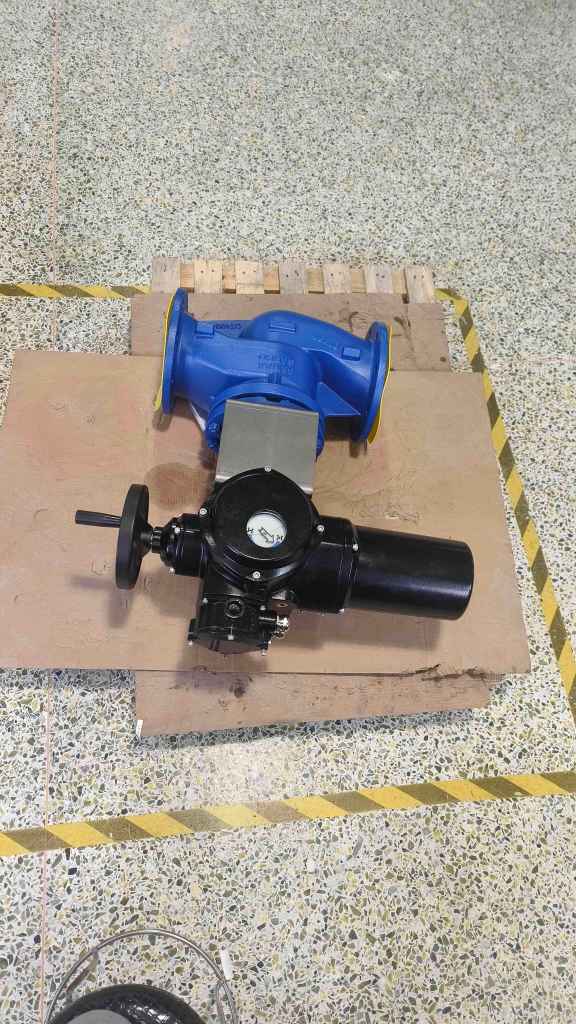
The WCB Electric Globe Valve is characterized by its unique body shape, which resembles a globe. This design is not just aesthetic; it plays a significant role in the valve’s functionality. The valve typically consists of three main parts: the body, the bonnet, and the actuator. The body is usually made from high-quality materials such as WCB (wrought carbon steel), which ensures durability and resistance to corrosion. The globe valve’s internal structure includes a seat and a disc, which work together to control the flow of fluid. The actuator is a crucial element of the WCB Electric Globe Valve, as it allows for automated control. Electric actuators are often employed for their precision and ease of integration with control systems. These actuators can be programmed to adjust the valve position based on specific flow requirements, making them ideal for automated processes.