The Electric Single Seat Regulating Valve is a crucial component in fluid control systems, used extensively across various industrial applications where precise regulation of flow, pressure, temperature, and other parameters is essential. These valves offer high accuracy, reliability, and efficiency in controlling the movement of fluid, making them indispensable in industries like chemical processing, HVAC, food and beverage, water treatment, and oil and gas. This article delves into the structure, working principle, applications, advantages, and considerations when choosing an Electric Single Seat Regulating Valve.
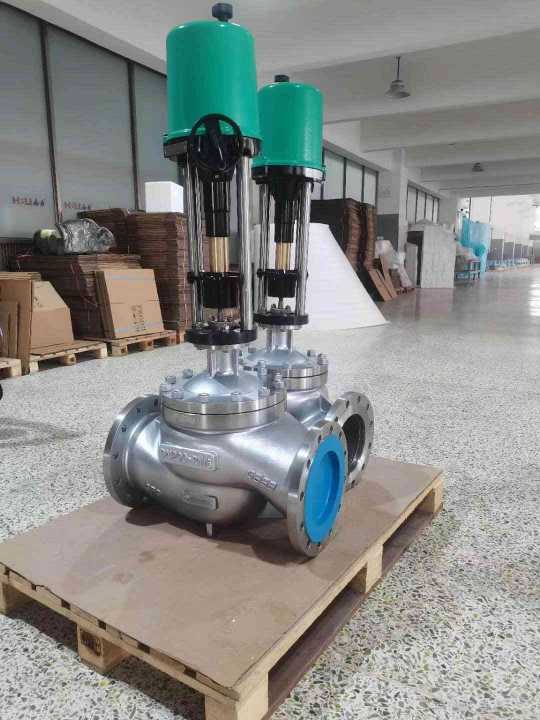
Structure and Working Principle An Electric Single Seat Regulating Valve typically consists of the following components: Valve Body: The main housing of the valve, usually made from durable materials like stainless steel or brass, designed to withstand high pressures, temperatures, and corrosive substances. Seat and Plug (Valve Trim): The seat and plug are the key elements responsible for controlling fluid flow. The plug, which is attached to the valve stem, moves towards and away from the seat to open or close the valve, regulating the flow of the fluid. Electric Actuator: The electric actuator is the driving force behind the valve’s operation. It converts electrical input signals (typically 4-20 mA or 0-10 V) into mechanical movement, which adjusts the valve position. This actuator is connected to a control system, such as a Programmable Logic Controller (PLC) or Distributed Control System (DCS), to receive instructions and regulate the valve’s operation.