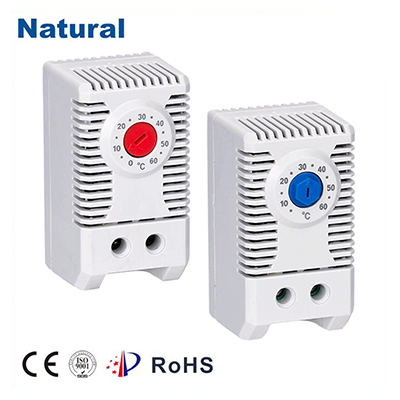
Bimetal thermostats are essential devices in various heating, ventilation, and air conditioning (HVAC) systems. They play a crucial role in regulating temperature by using the principle of thermal expansion of two different metals. This article will explore the working mechanism, applications, advantages, and considerations for using bimetal thermostats.
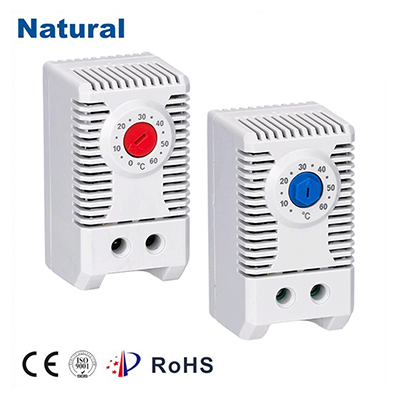
What is a Bimetal Thermostat?
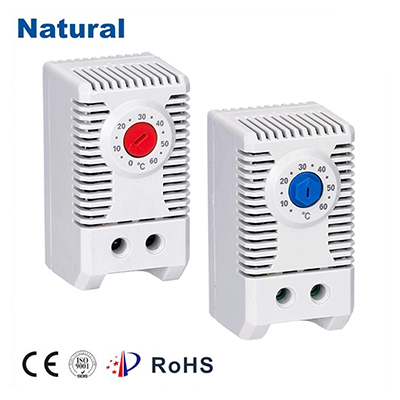
A bimetal thermostat consists of two strips of different metals bonded together. These metals have distinct coefficients of thermal expansion, meaning they expand and contract at different rates when subjected to temperature changes. This unique property allows the bimetal strip to bend and move as temperatures fluctuate, activating or deactivating the electrical contacts within the thermostat. As a result, bimetal thermostats can maintain desired temperature levels effectively and efficiently. How Does a Bimetal Thermostat Work? The operation of a bimetal thermostat is relatively straightforward. When the temperature in a space increases, one metal in the bimetal strip expands more than the other, causing the strip to bend. This bending motion can either open or close electrical contacts, depending on the design of the thermostat.