The electric vehicle (EV) industry has been rapidly growing, with increasing demand for efficient, safe, and durable components that can ensure the reliable operation of EVs. One such critical component in the electrical system of EVs is the EV Main Contactor Relay. This seemingly small device plays a vital role in controlling the flow of electricity between the battery and the vehicle’s propulsion system, making it an essential part of modern electric vehicles. In this article, we will explore the functions, importance, and features of the EV Main Contactor Relay.
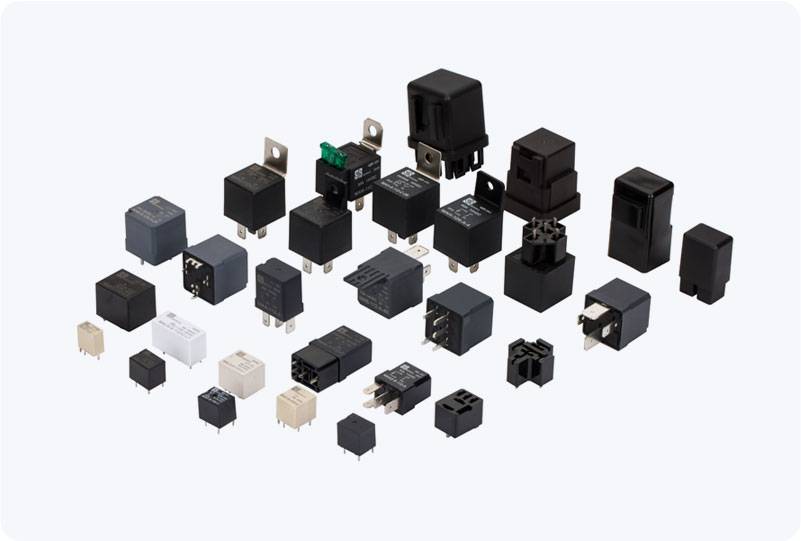
What is an EV Main Contactor Relay? An EV Main Contactor Relay is an electromechanical switch that controls the high voltage flow in an electric vehicle’s battery system. It is used to open and close the circuit between the battery and the drive motor, ensuring that electricity is supplied or cut off as needed. The relay is typically controlled by the vehicle’s Electronic Control Unit (ECU), which regulates the flow of energy based on the vehicle’s needs. Key Functions of the EV Main Contactor Relay Control of High Voltage Circuit: The most critical function of the EV Main Contactor Relay is to control the high voltage circuit in an electric vehicle. Electric vehicles operate on high voltage systems, often ranging between 300 to 800 volts, which power the motor and other systems in the car. The contactor relay ensures that electricity flows from the battery to the motor when needed and stops the flow when the vehicle is turned off or when there is an issue in the system.