Relays are essential components in a variety of electrical and electronic systems, used for controlling circuits by opening or closing contacts in response to an electrical signal. Whether in automotive systems, industrial automation, or home appliances, relays serve as the backbone of switching operations. To ensure that a relay performs efficiently in a given application, it is crucial to examine its datasheet. A relay datasheet provides detailed specifications that help engineers select the most suitable relay for their needs. This article will delve into the key elements of a relay datasheet, explaining the technical terms and how to interpret them for successful relay selection.
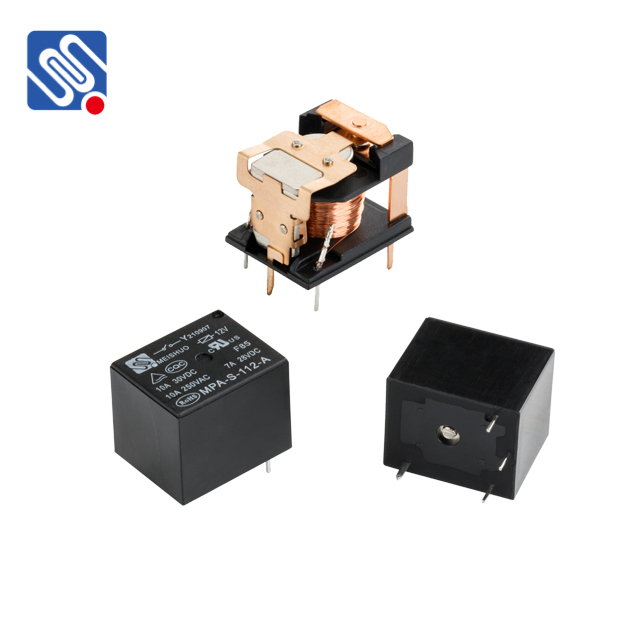
1. Relay Type and Configuration A relay datasheet typically starts with the relay type and configuration. The relay type indicates the number of switching elements and their configuration. Common types include: SPST (Single Pole Single Throw): A basic on/off switch with a single contact pair. SPDT (Single Pole Double Throw): A relay with one input terminal and two output terminals, allowing for a switching between two circuits. DPDT (Double Pole Double Throw): This configuration has two sets of contacts, enabling two circuits to be switched simultaneously. The datasheet will specify whether the relay is designed for general-purpose or specialized tasks (e.g., automotive, signal switching, etc.), helping the user choose the right relay for the intended application.