Relay wiring is an essential concept in both industrial and domestic electrical systems. Relays are versatile components that allow low-power circuits to control high-power ones, making them indispensable in automation, safety, and control applications. Whether you’re a seasoned professional or just starting to work with electrical systems, understanding relay wiring is crucial for proper setup, safety, and functionality.
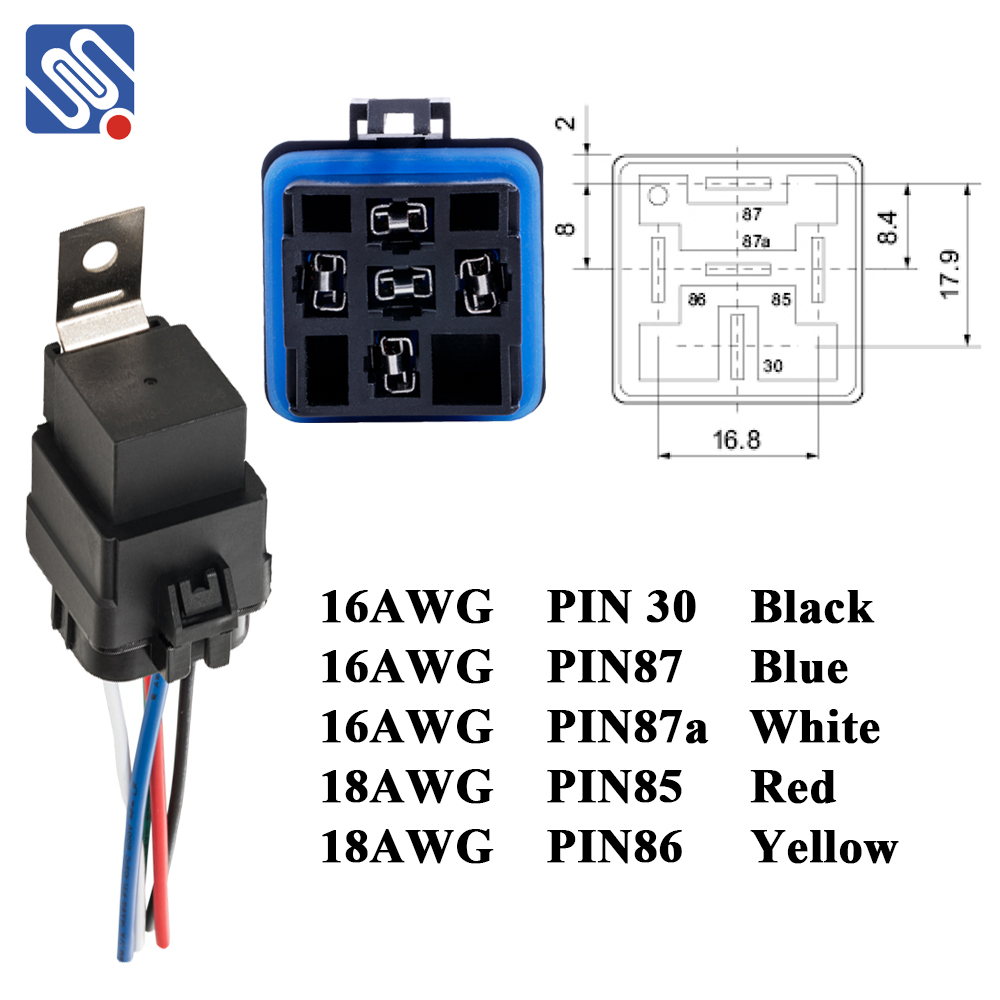
What is a Relay? At its core, a relay is an electrically operated switch. It consists of a coil of wire, a set of contacts, and a mechanism to open or close these contacts when the coil is energized. The primary function of a relay is to allow a small electrical current to control a larger one. Relays are used in a variety of applications, from turning on large motors in industrial machinery to controlling lighting systems in homes and offices. Components of a Relay Before diving into the wiring specifics, it is important to understand the basic components of a relay: Coil: This is the electromagnetic part of the relay. When electrical current passes through the coil, it generates a magnetic field that either pulls or pushes a switch to make or break a connection.