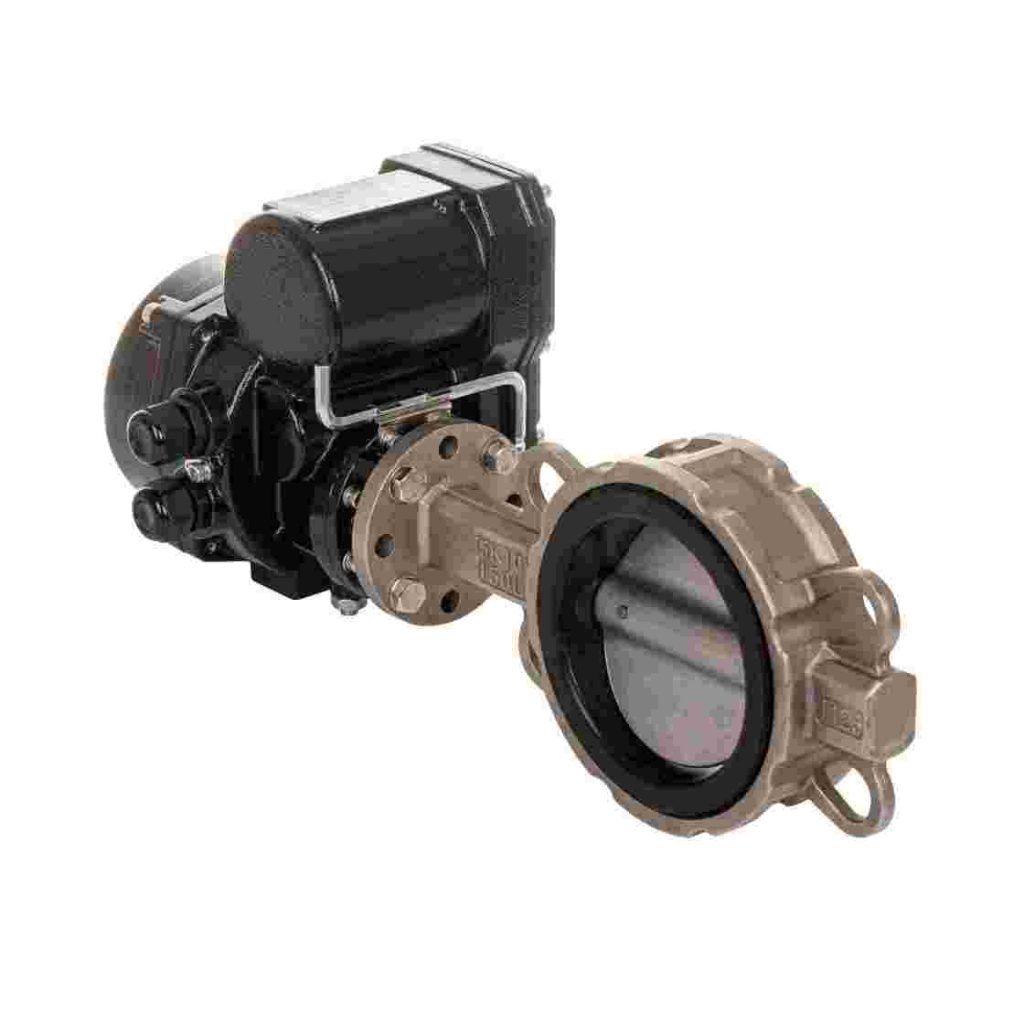
An electric flanged soft seal butterfly valve is a crucial component used in various industrial applications, particularly in systems requiring efficient flow control of liquids, gases, and steam. These valves are known for their versatility, reliable sealing, and ease of operation, making them an essential choice in industries such as water treatment, HVAC systems, chemical processing, and oil and gas. In this article, we will explore the construction, advantages, applications, and maintenance of electric flanged soft seal butterfly valves.
Understanding the Electric Flanged Soft Seal Butterfly Valve
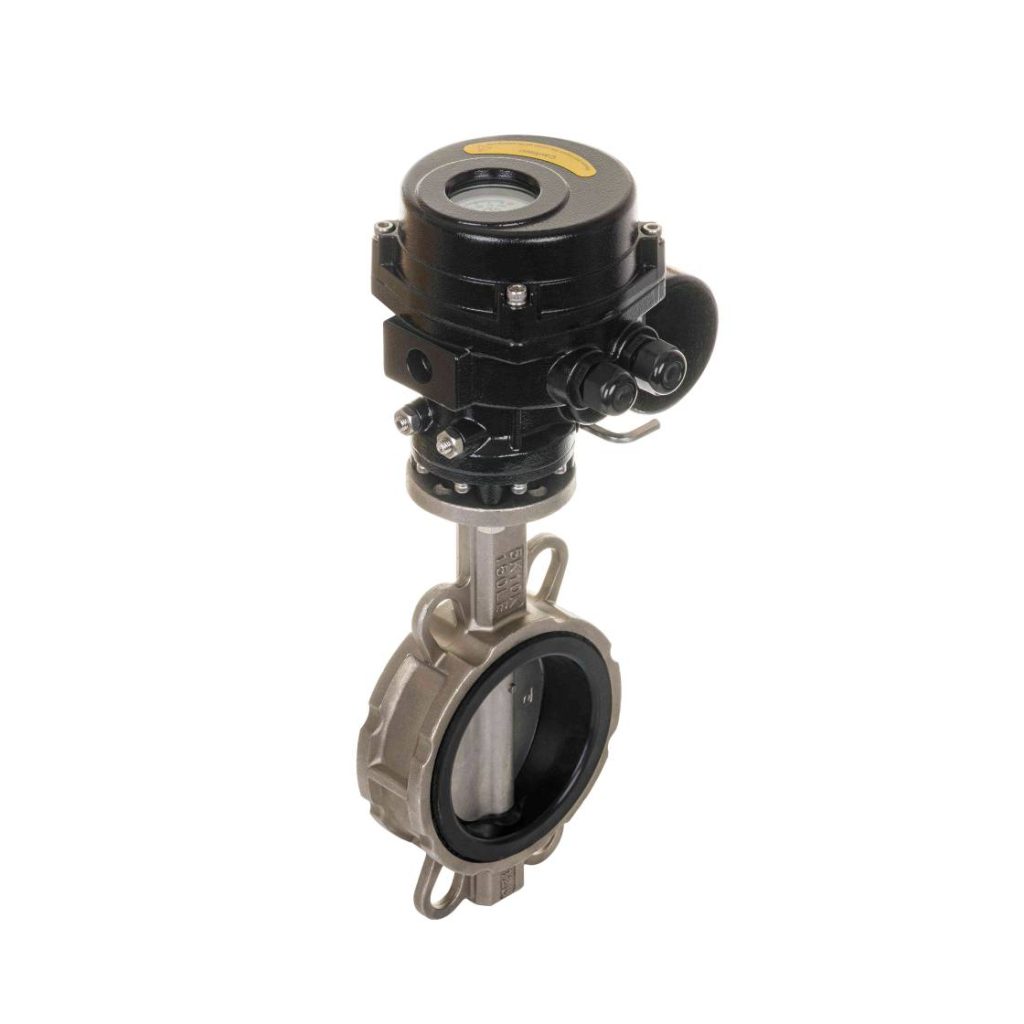
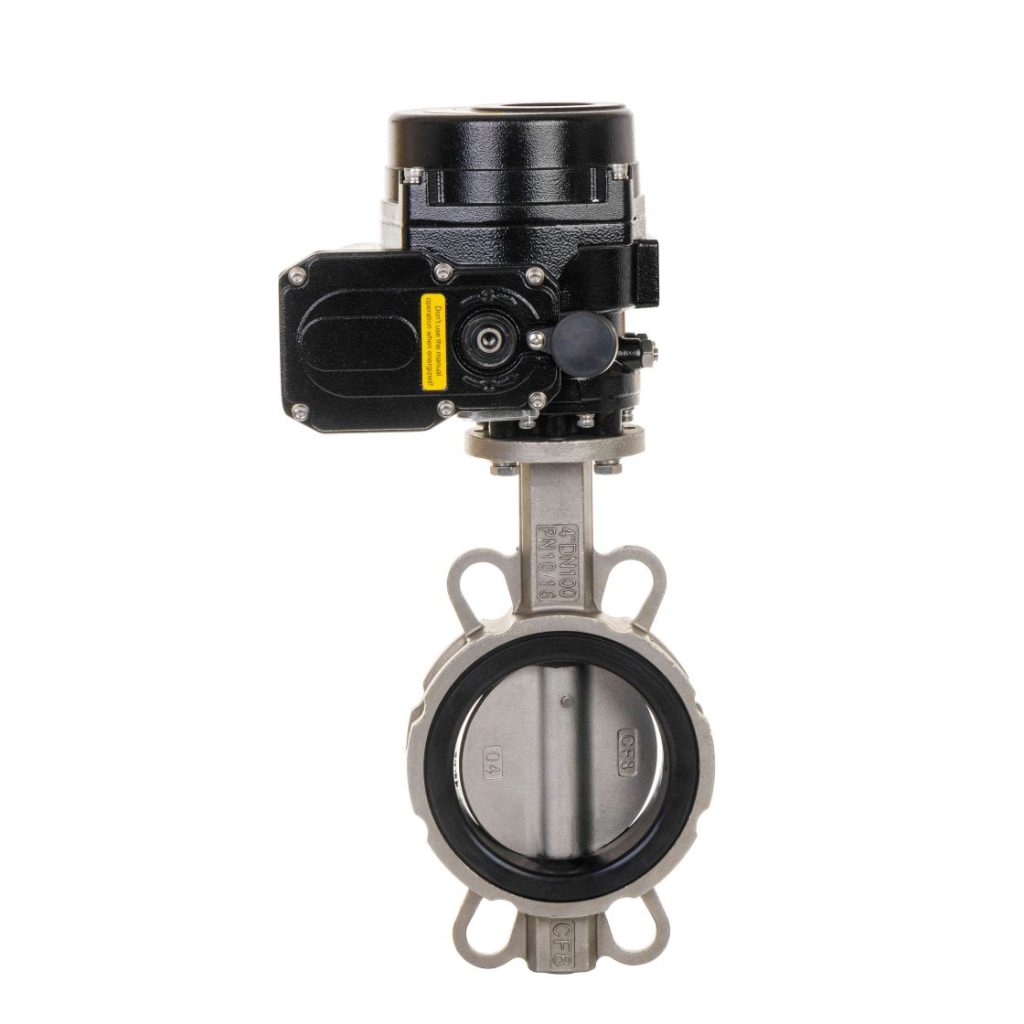
The electric flanged soft seal butterfly valve combines a butterfly valve mechanism with an electric actuator, enabling remote and automatic control. Butterfly valves themselves are characterized by their disk-shaped closure element, which rotates to control the flow of a fluid through a pipe. The “soft seal” aspect refers to the elastomeric material that is used to provide a tight seal when the valve is closed. This seal prevents leakage, ensuring a reliable shutoff and preventing the escape of fluids or gases. Flanged valves have a flange connection that allows for easy installation by bolting the valve onto a corresponding flange in a pipeline, providing a strong, leak-free joint. The electric actuator is responsible for driving the valve open or closed, offering precise control and automation. This electric operation is especially beneficial in applications where remote or automated operation is required, reducing the need for manual intervention.