Hot water systems are essential components in homes, industries, and commercial setups, providing convenience and efficiency in daily operations. One of the critical devices that enhance the performance of these systems is the Hot Water Solenoid Valve. This electrically operated valve plays a vital role in controlling the flow of hot water, offering precise, automated, and energy-efficient management of water systems. In this article, we will explore the working principle, applications, benefits, and maintenance of Hot Water Solenoid Valves, emphasizing their role in improving hot water systems.
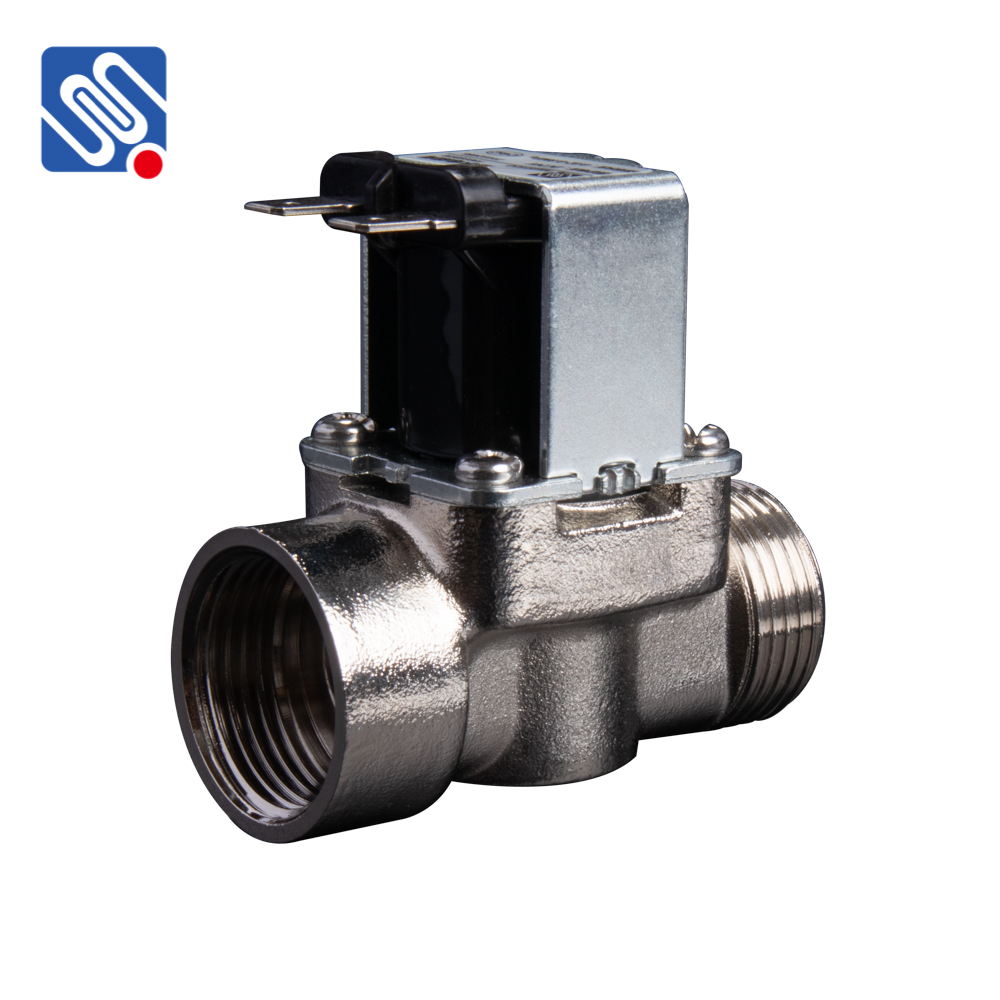
What is a Hot Water Solenoid Valve? A Hot Water Solenoid Valve is an electromechanical device designed to control the flow of hot water in a system. It works by utilizing a solenoid coil to generate a magnetic field that operates a valve, opening or closing it based on whether the solenoid is energized or de-energized. When the valve is open, hot water can flow through, and when closed, it stops the water flow. This mechanism provides precise control over the water supply, contributing to better regulation of hot water distribution. Working Principle of Hot Water Solenoid Valve The Hot Water Solenoid Valve operates using a basic electromagnetic principle. The solenoid is an electrical coil that, when powered, generates a magnetic field. This magnetic field activates a plunger or piston inside the valve, either opening or closing the valve. The valve’s action is typically governed by an electrical signal, allowing for automatic control in response to system requirements.