In today’s world, technology has advanced to a point where almost every aspect of our lives can be controlled with the touch of a button, and one of the most transformative innovations in recent years is the rise of Smart Home Relay systems. These devices are designed to enhance the functionality and convenience of smart homes, allowing users to remotely control electrical appliances and create automated environments. In this article, we will explore what Smart Home Relays are, how they work, their benefits, and how they contribute to the evolution of home automation.
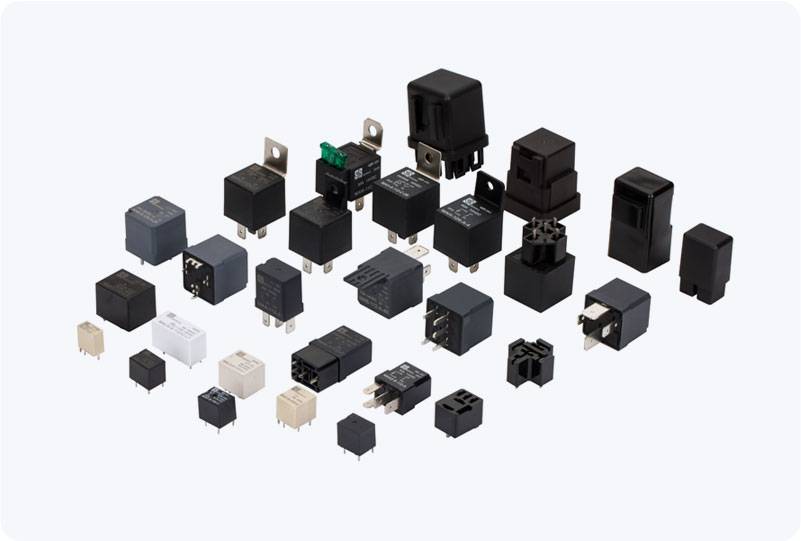
What is a Smart Home Relay? A Smart Home Relay is an electronic device that enables the control of electrical circuits in a home via a wireless connection. Essentially, it serves as a bridge between your home appliances and your smart home system. By integrating a Smart Home Relay into your home, you can control the switching on and off of lights, fans, air conditioners, and other electrical devices remotely, either through a smartphone, voice commands, or automated routines. These relays are equipped with a relay module that allows them to open or close an electrical circuit, which controls the flow of power to the connected device. What makes them “smart” is their ability to communicate wirelessly with a central system (e.g., a Wi-Fi network, Zigbee hub, or Z-Wave gateway) and receive commands from a smartphone app, a smart speaker, or even automated triggers based on environmental factors like motion or temperature.