Relay specifications comparison is an essential task when selecting the most suitable relay for a given application. Relays are electrical devices used to control circuits by opening or closing contacts in response to an input signal. These components are widely used in various industries such as automation, control systems, communication devices, and more. With numerous types of relays available, understanding their specifications and comparing them is crucial for ensuring optimal performance, longevity, and cost-effectiveness. This article provides a comprehensive overview of the key parameters involved in relay specifications comparison and how to evaluate them based on application requirements.
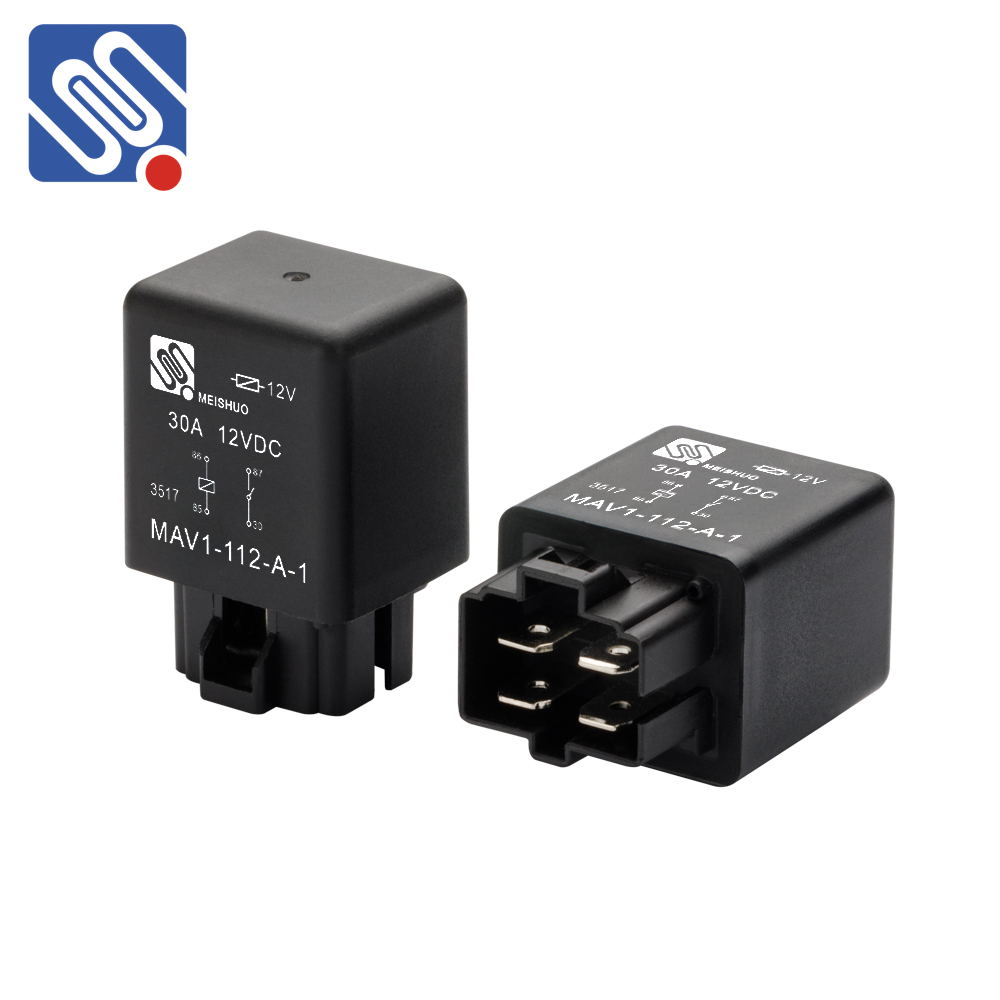
1. Operating Voltage and Current One of the most fundamental aspects of a relay’s specification is its operating voltage. Relays are designed to function within a specific voltage range, typically indicated as the coil voltage. This can be a low DC voltage (e.g., 5V, 12V, 24V) or an AC voltage (e.g., 110V, 230V), depending on the relay’s design. It is important to choose a relay whose operating voltage matches the voltage levels of the control system or the automation equipment. Similarly, the operating current is a key parameter to consider. Each relay has a maximum current rating that it can safely carry through its contacts without damage. Exceeding this rating can cause the contacts to burn out, reducing the lifespan of the relay. Hence, understanding the current demands of the system is crucial when making a selection.