Lockout/Tagout (LOTO) safety lock systems are critical in industrial settings, where machinery, electrical systems, and heavy equipment can pose significant risks to workers during maintenance, repairs, or routine servicing. The LOTO safety lock is designed to prevent accidental activation of equipment, thus ensuring that workers are protected from injuries caused by unexpected movements, electrical shocks, or mechanical malfunctions. This article explores the significance of LOTO safety locks, how they work, and why they are essential in maintaining a safe work environment.
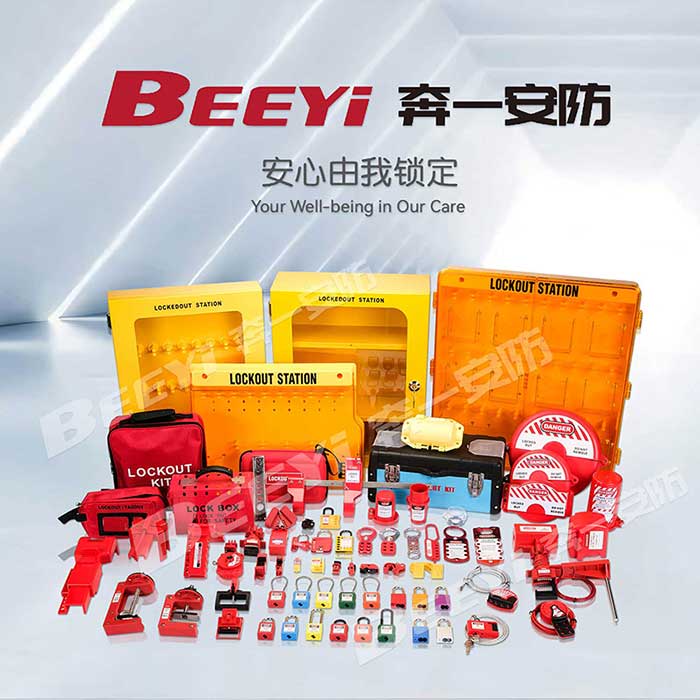
What is a LOTO Safety Lock? A LOTO safety lock is part of a broader Lockout/Tagout system that aims to control hazardous energy during maintenance and repair work. The system typically consists of locks, tags, and lockout devices that ensure the energy sources of machinery or electrical equipment are securely isolated. The “lockout” element refers to physically locking a device to prevent it from being operated, while the “tagout” part involves using a visible warning tag to alert others that the equipment is undergoing maintenance or is unsafe to operate. The LOTO safety lock itself is a robust device that secures energy-isolating points, such as electrical switches, valves, or circuit breakers, with a key or combination lock. Each lock is typically designed to be used by only one person at a time, ensuring that maintenance workers have exclusive control over the equipment during servicing.