In industrial settings, the safety of workers is paramount. One crucial component of workplace safety is the implementation of lockout/tagout (LOTO) procedures, which include the use of equipment lockout tags. These tags play a significant role in preventing accidents and injuries during maintenance and repair operations. This article explores the importance of equipment lockout tags, the principles behind their usage, and the best practices for effective implementation.
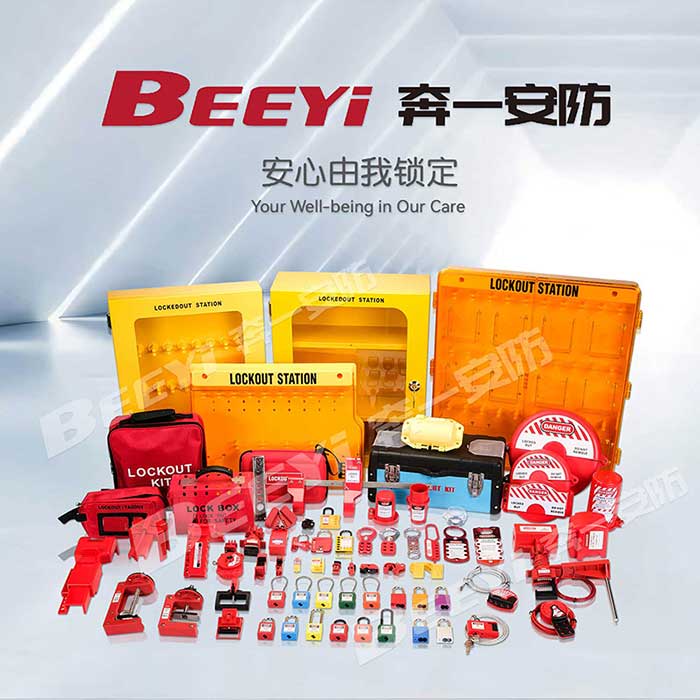
Understanding Equipment Lockout Tags Equipment lockout tags are cautionary measures used in conjunction with physical locking devices to ensure that machinery remains in a safe state while being serviced. The primary purpose of these tags is to indicate that the equipment has been locked out and is not to be operated until it is safe to do so. These tags serve as a visual warning to all personnel working in the vicinity, alerting them that maintenance activities are ongoing. The Role of Lockout/Tagout Procedures Lockout/tagout procedures are designed to protect workers from accidental machine startups. Such incidents can occur while maintenance personnel are performing tasks such as repairing, cleaning, or adjusting equipment. Without proper locks and tags, workers could be exposed to hazardous energy sources, leading to potentially fatal accidents. According to the Occupational Safety and Health Administration (OSHA), failure to follow LOTO procedures is among the top reasons for workplace injuries related to machinery.