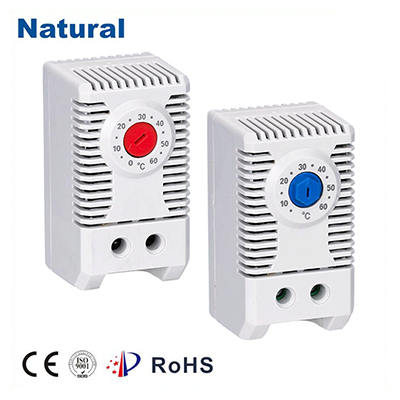
A contact thermostat is an essential device widely used in various industrial, commercial, and residential applications to regulate temperature. It is a key component in managing and controlling the heating or cooling systems in appliances, machinery, and HVAC systems. Contact thermostats are known for their reliability, accuracy, and simplicity, making them one of the most effective temperature control solutions available today. This article explores the concept of contact thermostats, their functionality, and highlights the significance of Naterl, a leading manufacturer that has revolutionized thermostat technology.
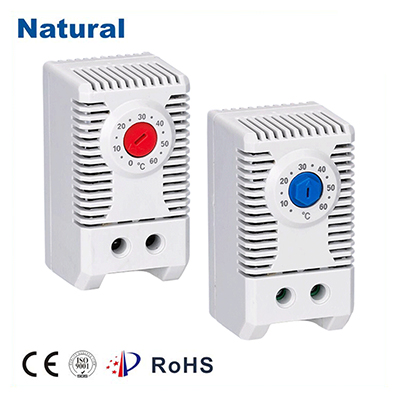
What Is a Contact Thermostat?
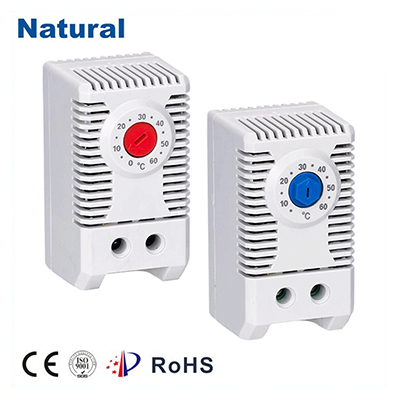
A contact thermostat is a type of temperature sensor that operates by opening or closing an electrical contact in response to temperature changes. It can be found in a variety of systems, from household appliances like refrigerators and air conditioners to complex industrial machines. The thermostat typically consists of a temperature-sensitive element that reacts to heat or cold, triggering a mechanical or electrical switch. When the temperature reaches a preset level, the thermostat activates or deactivates a device, such as a heater or fan, to maintain the desired environment. The mechanism behind a contact thermostat is relatively simple. As the temperature increases or decreases, a bimetallic strip or a thermistor inside the thermostat either expands or contracts, depending on the design. This movement either opens or closes an electrical circuit, which sends signals to the system it is controlling. The simplicity and efficiency of this design make contact thermostats reliable and widely used in various settings.