In industrial settings, ensuring the safety of workers during maintenance and repair activities is crucial. One of the most effective ways to do so is through the use of lockout/tagout (LOTO) procedures. A key component of this safety protocol is the lockout hasp, a device that ensures all energy sources are properly locked out to prevent accidental equipment operation. Among the various types of lockout hasps, CE Lockout Hasps stand out as a crucial choice for businesses looking to meet European Union safety standards. This article provides an overview of CE Lockout Hasps manufacturers, the significance of their products, and why they play an essential role in industrial safety.
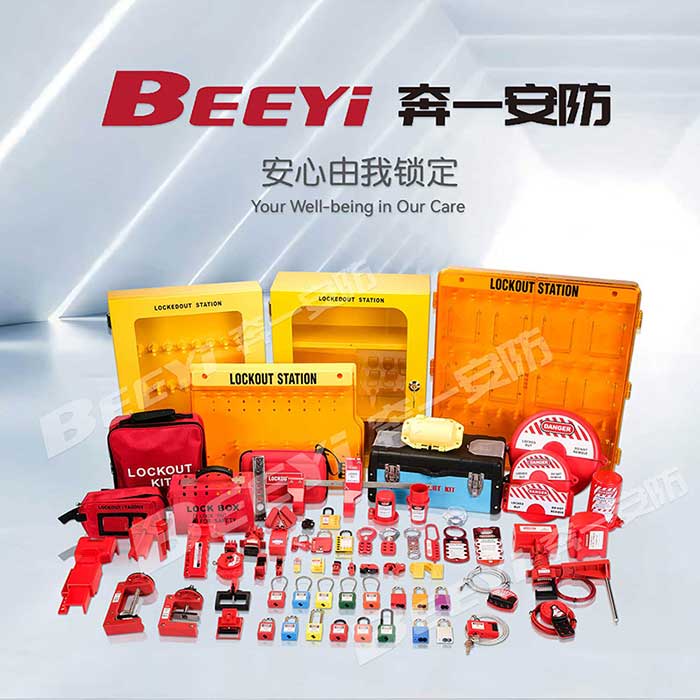
What Are CE Lockout Hasps? Lockout hasps are used in lockout/tagout systems to secure energy-isolating devices during maintenance or repair activities. They allow multiple locks to be applied to a single device, ensuring that all authorized personnel have control over the lockout process. CE Lockout Hasps specifically adhere to the CE mark, which indicates that the product complies with European Union health, safety, and environmental protection standards. These hasps are typically constructed from materials such as steel or durable plastic, designed to withstand harsh industrial environments. The primary purpose of the CE Lockout Hasps is to prevent unintended machine operation while ensuring that all workers involved in a maintenance procedure can lock the device in place with their own locks. This promotes worker safety by clearly indicating that a piece of equipment is not in operation and cannot be started until all authorized personnel have removed their locks.