A 12V relay is a crucial component in electrical systems, commonly used in automotive, industrial, and home automation applications. It acts as a switch, enabling low-voltage circuits to control higher-voltage systems. Despite its simplicity, the 12V relay plays a vital role in managing the power flow between circuits, ensuring safety and efficiency in operations. In this article, we will explore the structure, working principle, applications, and benefits of the 12V relay, shedding light on its significance in various fields.
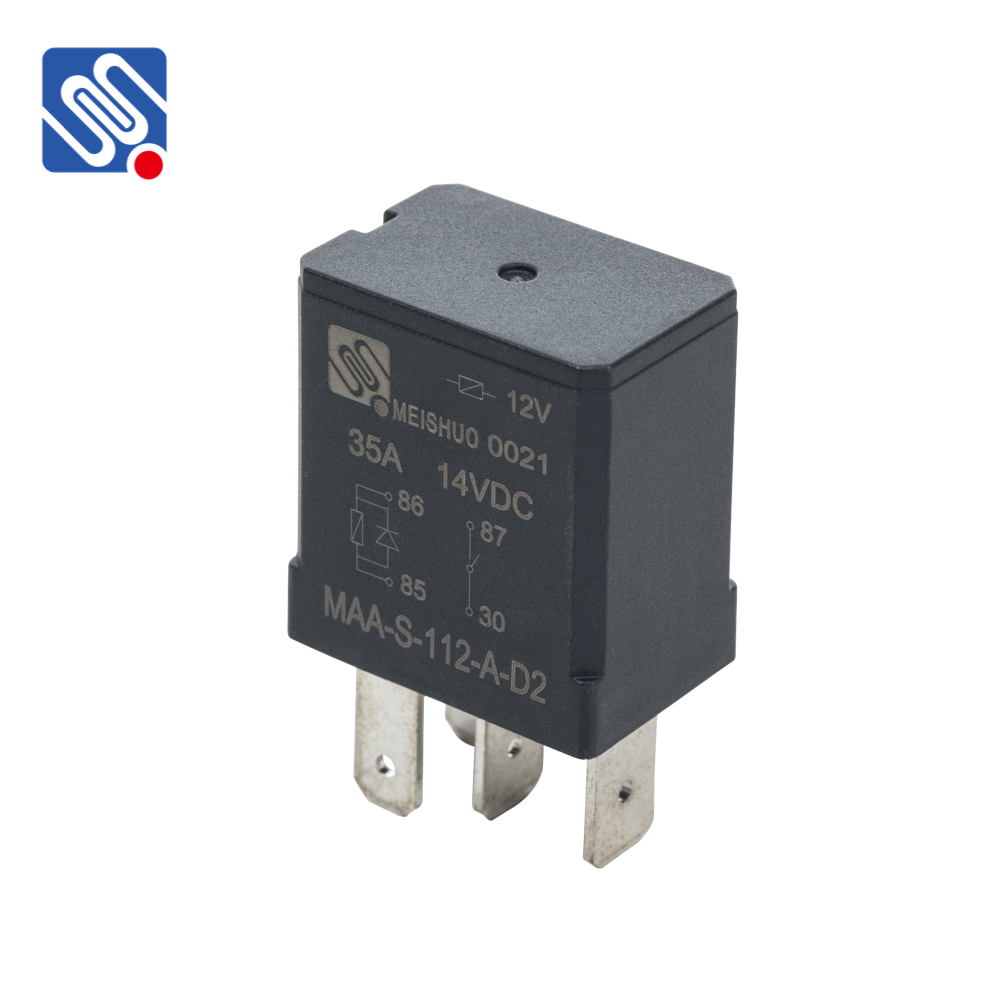
What is a 12V Relay? At its core, a 12V relay is an electromagnetic switch designed to control the flow of electricity in a circuit. It consists of two primary components: The Coil: A coil of wire that, when energized with a 12V DC (direct current) signal, generates a magnetic field. This magnetic field moves the internal contacts of the relay. The Contacts: These are the mechanical switches inside the relay that open or close based on the magnetic field generated by the energized coil. The contacts allow current to flow through or stop, depending on whether they are open (NO – Normally Open) or closed (NC – Normally Closed).