Relays are integral components in electrical circuits, enabling the control of high-power circuits using low-power signals. They are used extensively in various applications, from household appliances to industrial machinery. A critical aspect of relay operation is the relay voltage, or the voltage required to activate the relay coil. Understanding relay voltage is crucial for selecting the right relay for a specific application, ensuring the system functions efficiently and safely. This article explores the concept of relay voltage, its significance, and the considerations to keep in mind when working with relays.
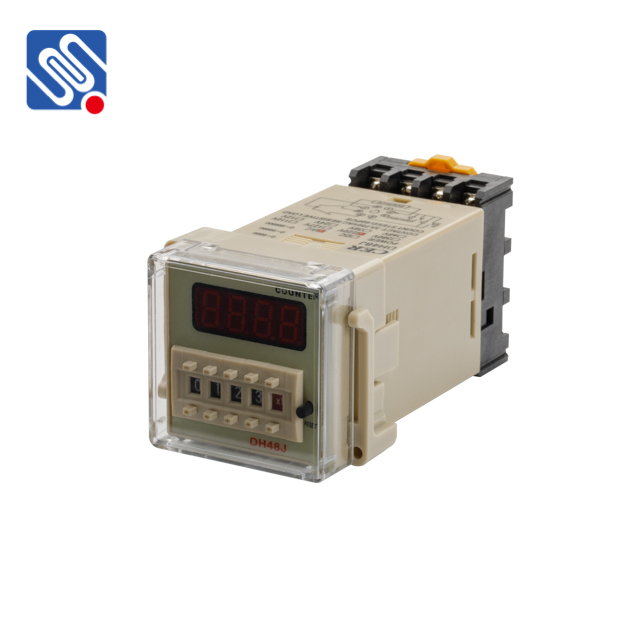
What is Relay Voltage? Relay voltage refers to the voltage applied to the coil of a relay that energizes it, causing the relay’s switch to close or open. Relays typically have two main circuits: the control (or coil) circuit and the power circuit. The coil is energized by a low-voltage control signal, which activates the relay and switches the power circuit, either opening or closing the contacts depending on the relay type. Relay voltage is critical because it determines when the relay will operate. If the applied voltage is too low, the relay may not activate; if it’s too high, it could damage the relay or cause overheating.