In the world of industrial automation, safety is a paramount concern. Machines and systems that operate in factories, production lines, and other automated environments must be designed to minimize the risk of accidents and ensure the well-being of workers. One critical component in achieving this goal is the Safety Relay. Safety relays are essential devices used to monitor and control safety circuits, providing fail-safe measures in the event of faults or emergencies. This article will explore the importance of Safety Relays, how they work, and their applications in various industries.
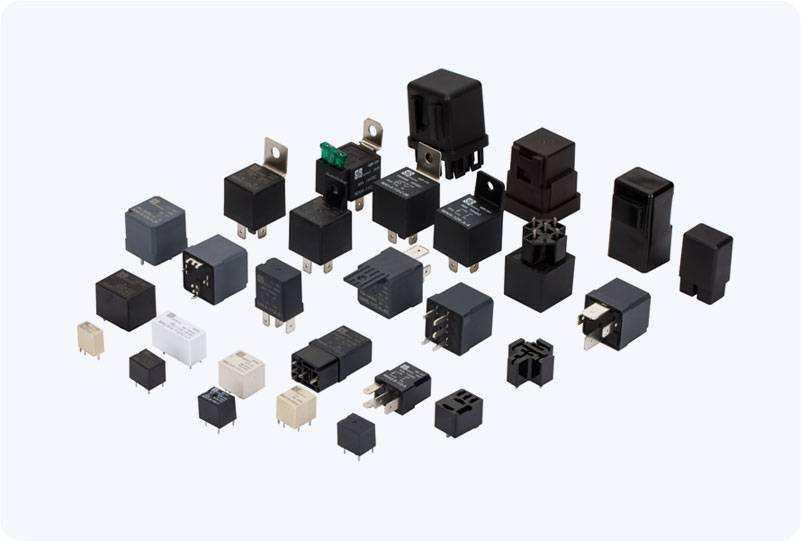
What is a Safety Relay? A Safety Relay is a type of electrical relay that is specifically designed to ensure the safety of industrial control systems. It is typically used to monitor signals from safety devices such as emergency stop buttons, safety interlocks, light curtains, and safety doors. The primary function of the Safety Relay is to evaluate these safety signals and control the system’s operation by either enabling or disabling certain circuits based on the safety inputs it receives. Safety relays are different from regular relays in that they are built with additional safety features to meet strict safety standards. They are commonly used in environments where equipment failure could pose a risk to human life or cause significant damage to machinery. Their design ensures that the system remains in a safe state even in the event of electrical faults or component failures.