Relay technical support plays a crucial role in ensuring the seamless functioning of electrical systems. Whether you’re a novice or an expert in the field, understanding the core aspects of relay support can make a significant difference in troubleshooting, installation, and maintenance. In this article, we’ll explore the essential elements of relay technical support, ranging from product selection and installation to fault diagnosis and performance testing.
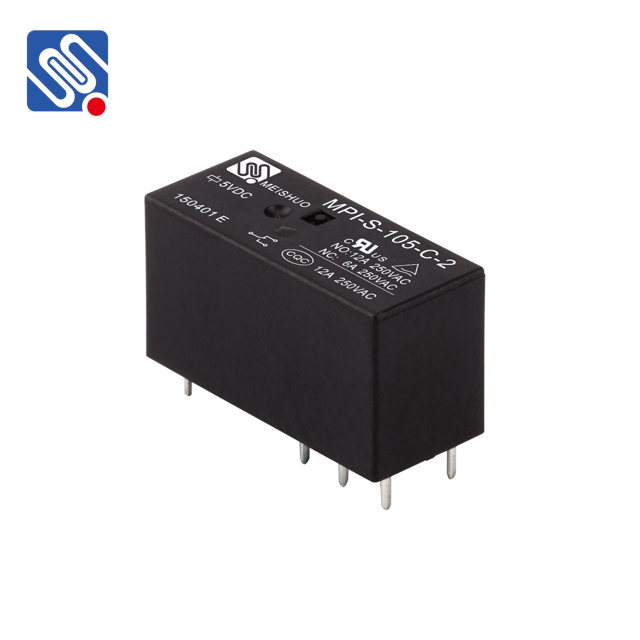
Understanding Relays and Their Importance A relay is an electrically operated switch that is widely used in various applications, including industrial automation, automotive systems, and home appliances. It allows the control of high-power devices through low-power signals, providing isolation between different sections of an electrical system. Relays are typically classified into electromechanical relays, solid-state relays, and reed relays, each with its unique set of characteristics and use cases. Key Areas of Relay Technical Support Product Selection and Configuration Choosing the right relay is fundamental to ensuring the reliability and efficiency of your electrical system. A relay must be selected based on several parameters, such as voltage, current rating, switching capacity, and operating environment. Relay technical support teams assist in guiding customers to make informed decisions based on their specific needs. This includes understanding the technical specifications of the relay, such as coil voltage, contact configuration, and switching speed.