The 24VDC power relay is a crucial component in numerous electrical systems, providing an efficient means of controlling high-power devices with low-voltage signals. This article explores the fundamental workings of 24VDC power relays, their applications across various industries, their benefits, and considerations when selecting the appropriate relay for a specific need.
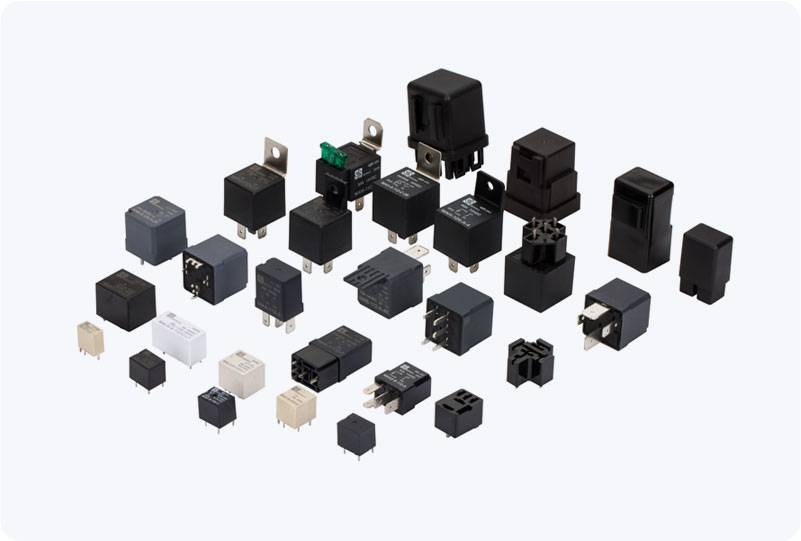
What is a 24VDC Power Relay? A 24VDC power relay is an electromechanical switch that utilizes a 24V direct current (DC) voltage to operate. The relay consists of a coil and a series of contacts. When the coil is energized with the 24VDC voltage, it generates a magnetic field that attracts a movable armature. This action closes or opens the contacts to control the flow of electricity to a connected load, effectively switching devices on and off. How Does it Work? The basic working principle of a 24VDC power relay can be broken down into a few simple steps: Energization: When a control circuit applies a 24VDC voltage to the relay’s coil, it energizes the coil and creates a magnetic field.