Electric vehicles (EVs) are becoming an increasingly popular alternative to traditional gasoline-powered cars. As the demand for EVs grows, manufacturers are placing more focus on enhancing the safety, efficiency, and reliability of these vehicles. One of the crucial components that play a vital role in ensuring the performance and safety of electric vehicles is the Panasonic EV Relay. This article explores the importance, functionality, and applications of the Panasonic EV Relay in the world of electric vehicles.
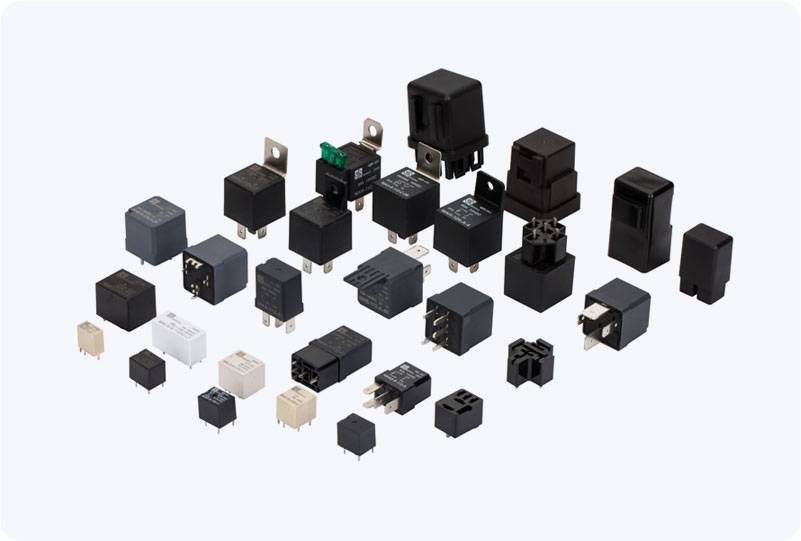
What is a Panasonic EV Relay? The Panasonic EV Relay is a high-performance electrical switch designed specifically for electric vehicles. It is responsible for safely controlling the high-voltage electrical circuits within an EV, particularly those related to the battery, motor, and charging systems. As electric vehicles operate on high voltage (typically between 300V and 800V), it is critical to have a reliable relay to handle these electrical connections without compromising safety or efficiency. Importance of EV Relays in Electric Vehicles In an electric vehicle, a relay functions as a safety and control device that can quickly and efficiently connect or disconnect electrical circuits. The primary role of a relay is to protect the battery and other electrical systems from potential damage due to short circuits, overloads, or other issues that could arise during vehicle operation. The relay ensures that the electric circuits are activated only when necessary and that they are safely deactivated when the vehicle is turned off or when an emergency occurs.