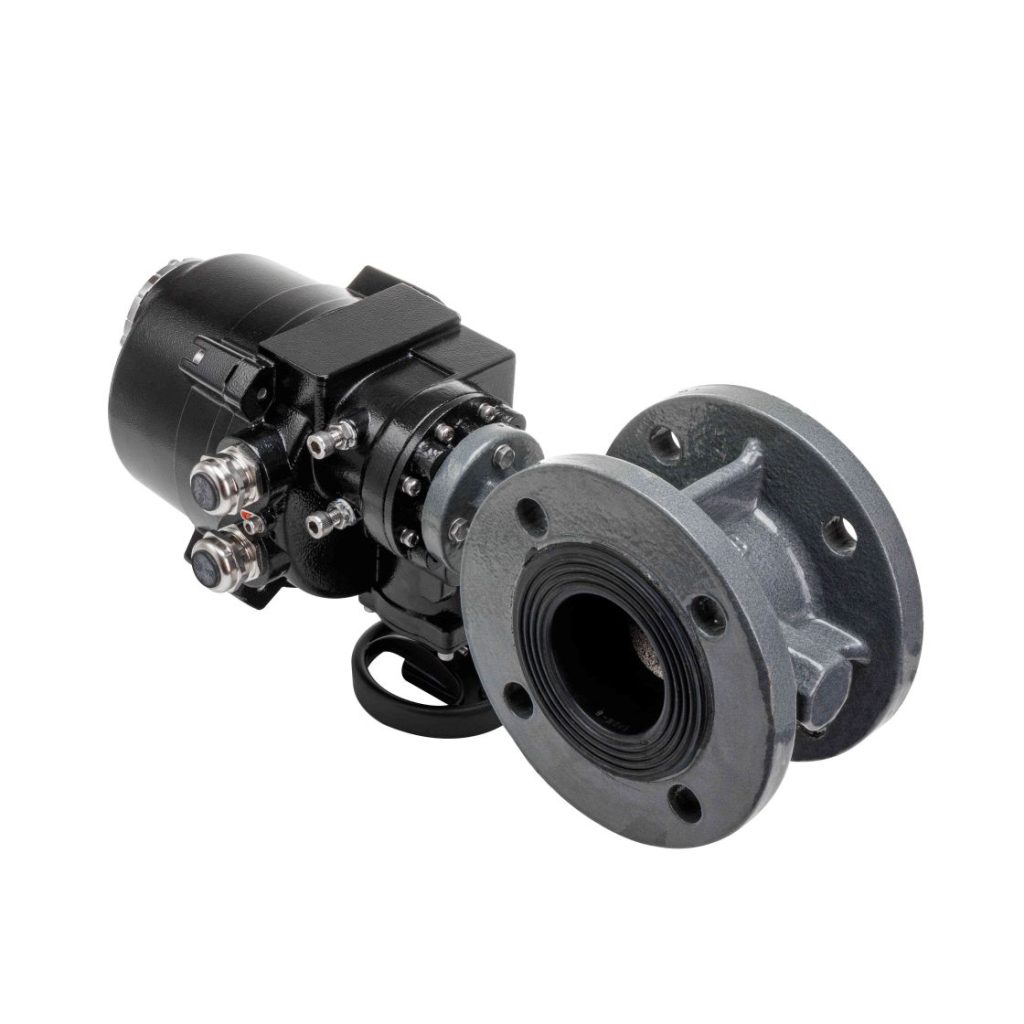
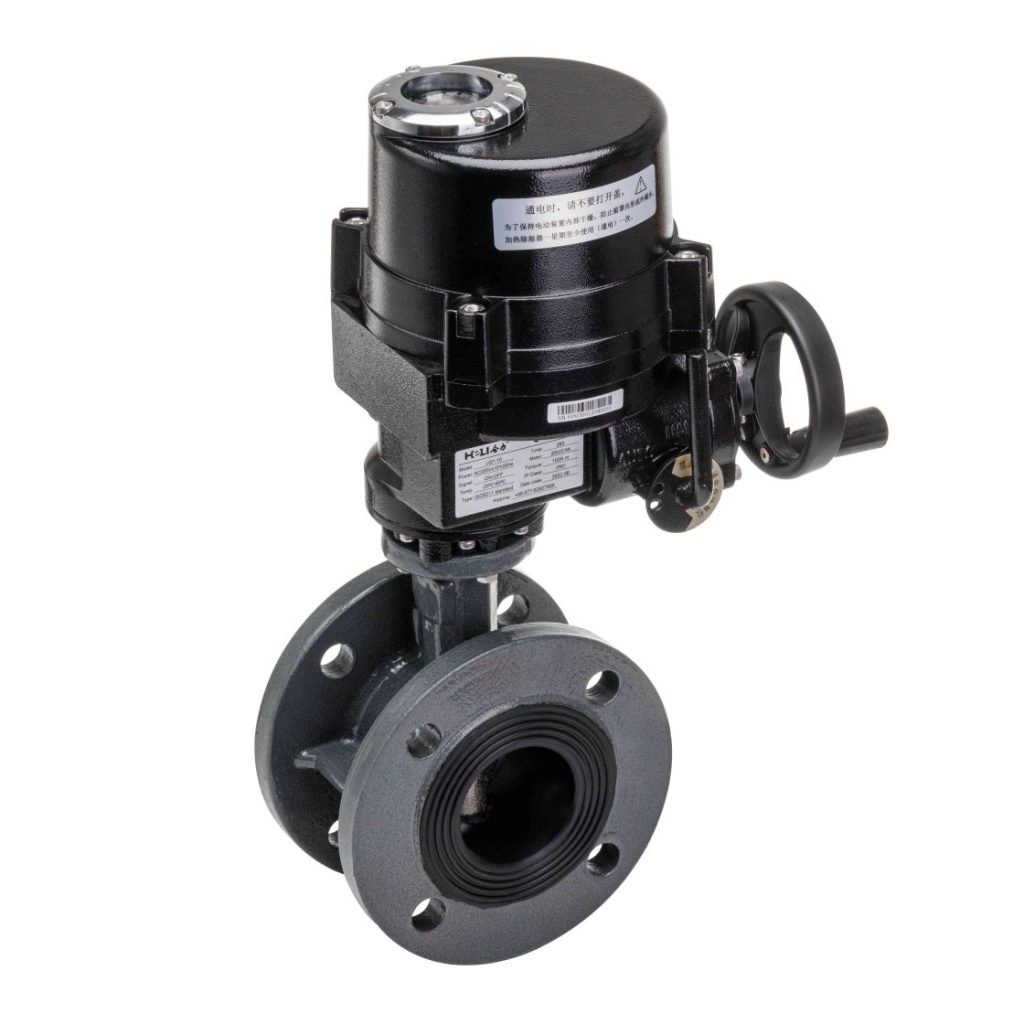
The stainless steel electric ball valve is a highly efficient and reliable device used in various industries for controlling the flow of fluids. With its robust construction and advanced automation capabilities, this valve type has gained popularity across sectors such as chemical processing, oil and gas, water treatment, and HVAC systems. In this article, we will delve into the essential features, applications, and benefits of stainless steel electric ball valves, providing valuable insights for potential users.
Features of Stainless Steel Electric Ball Valves
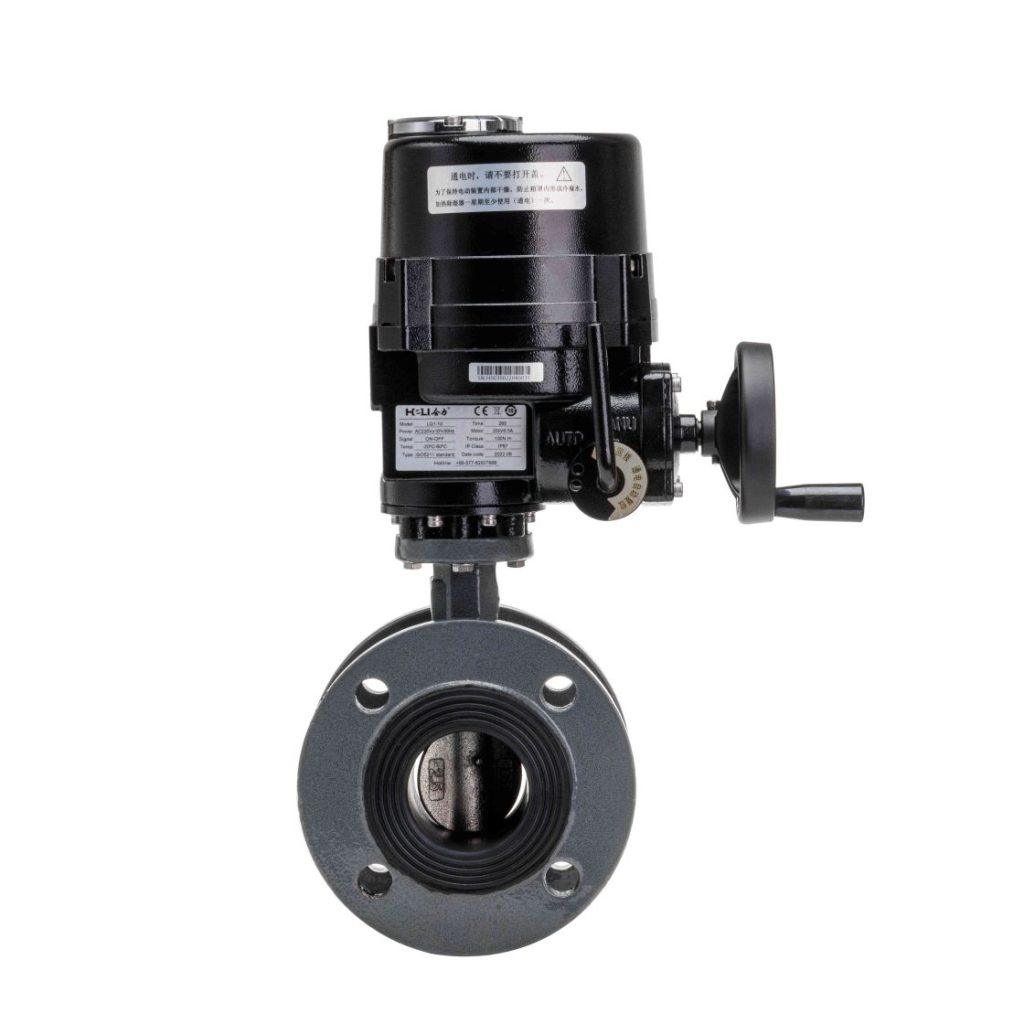
Material Composition: Stainless steel is the preferred material for electric ball valves due to its excellent corrosion resistance and durability. Common stainless steel grades used include 304, 316, and 316L, with 316 stainless steel being particularly suitable for harsh environments due to its superior resistance to chemicals and extreme temperatures. Structure: The core of an electric ball valve consists of a spherical disc with a bore that allows the fluid to flow through. The valve operates by rotating this sphere, which can be fully opened or closed based on the position of the electric actuator. This design ensures a tight seal when closed and minimal pressure drop when open.