A Time Relay is an essential component used in various industrial and home automation systems to control circuits with a time delay. It serves as a switch that operates not immediately, but after a specified time interval, allowing devices to function in a timed sequence. Time relays are indispensable for automating processes that require precise timing, such as turning on or off machines, lights, and other electrical devices. This article delves into the workings, types, applications, and selection considerations for Time Relays.
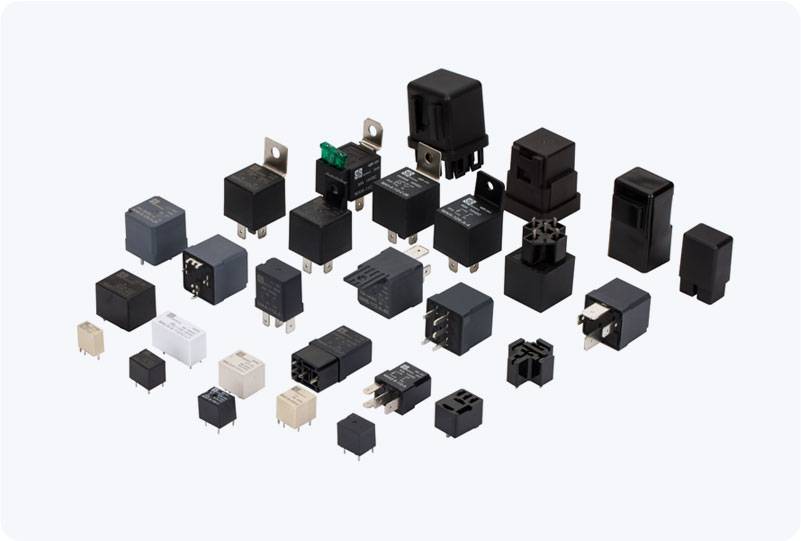
How Time Relays Work Time relays function by introducing a delay between the input signal and the corresponding output action. Essentially, they are designed to either delay the connection or disconnection of a circuit based on the set time. A typical Time Relay will have a time-delay feature that can be adjusted according to the required operational period. When triggered, the relay waits for the preset time delay and then activates or deactivates the connected load. For example, when a button is pressed, a Time Relay may wait for 10 seconds before closing the contact and powering a connected device. This delay ensures that systems don’t operate immediately, which can be critical for avoiding mechanical damage or optimizing energy efficiency.