In today’s world of rapidly advancing technology, the demand for faster and more efficient charging methods is growing exponentially. One of the key components driving this change is the Fast Charging Relay. As the global shift towards electric vehicles (EVs) and high-power battery systems continues, understanding the role of these relays becomes essential. This article explores the function, features, and applications of Fast Charging Relays, shedding light on their importance in the high-power charging ecosystem.
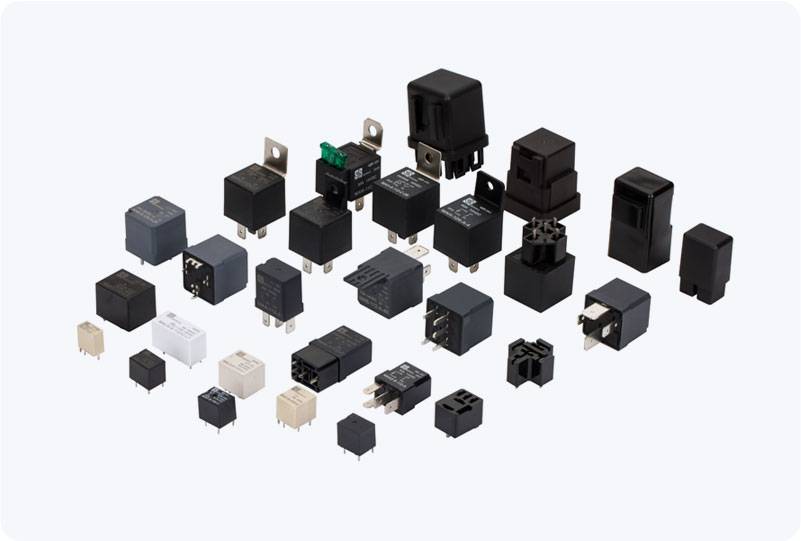
What is a Fast Charging Relay? A Fast Charging Relay is an electrical component that controls the connection and disconnection of high-power circuits in charging systems. It plays a crucial role in facilitating the rapid transfer of electricity from the power source to the battery. Specifically designed to handle large currents, Fast Charging Relays ensure that the electrical flow remains stable and safe during the charging process. The main function of these relays is to allow or cut off high-current power transmission to the battery pack in a controlled and safe manner. Fast Charging Relays operate as a switch, controlling the charging circuit based on electronic control signals. By managing these high-power circuits, the relay ensures that the battery charges quickly while maintaining its longevity and safety.