In industries where materials are harsh, abrasive, or contain solids, effective flow control is critical to maintaining both system integrity and operational efficiency. One of the most reliable and cost-effective solutions for such environments is the WCB Electric Pinch Valve. Known for its unique mechanism and durability, the WCB Electric Pinch Valve plays an important role in applications ranging from mining to food processing. This article explores the design, functionality, and advantages of this valve, and why it is favored in diverse industries.
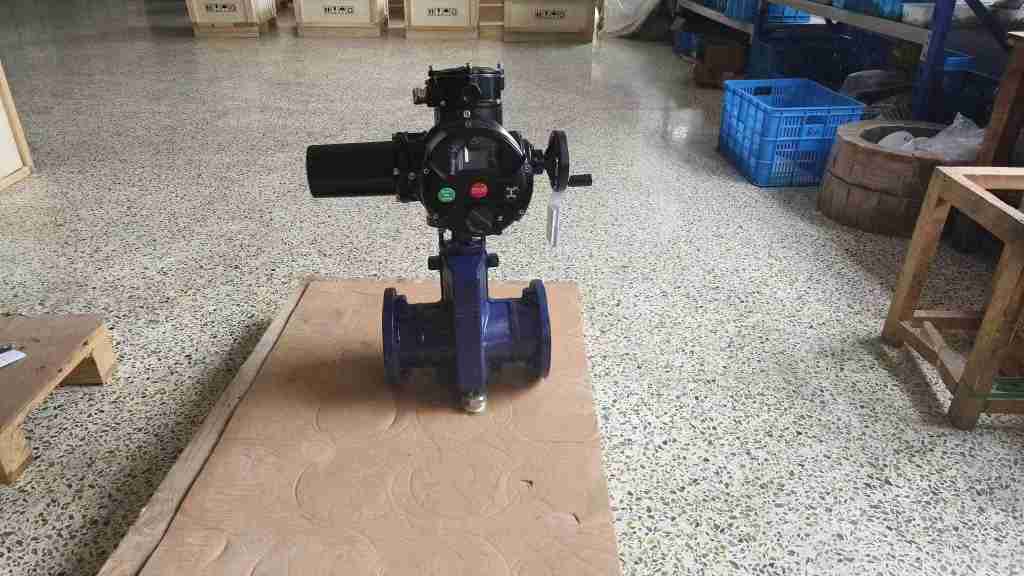
Design and Functionality of WCB Electric Pinch Valve The WCB Electric Pinch Valve is distinguished by its simple yet effective design. Unlike traditional valves that use mechanical gates or ball mechanisms, this valve utilizes a flexible tube, usually made from rubber or another resilient material, which is pinched by an actuator to control the flow of materials. When the valve is closed, the tube is pinched shut, completely blocking the passage of fluid, slurry, or powder. The electric actuator is the core component that drives the pinch mechanism. It is connected to the valve via a control system that can be automated, providing ease of operation in modern industrial setups. The actuator ensures that the tube is precisely compressed to the required level, allowing for fine control over the material flow rate. The use of electric control allows for remote or automated operation, making it an ideal choice for integrated systems in industries where operational efficiency and automation are priorities.