In many industries, the proper maintenance and operation of valves are critical to ensuring the safety of workers and preventing accidents. One of the key tools in industrial safety protocols is the Valve Lockout Device. This device serves as an essential part of a broader safety procedure known as Lockout/Tagout (LOTO), which is designed to prevent accidental injury during maintenance work. In this article, we will explore the significance, types, applications, and proper usage of valve lockout devices to safeguard workers in high-risk environments.
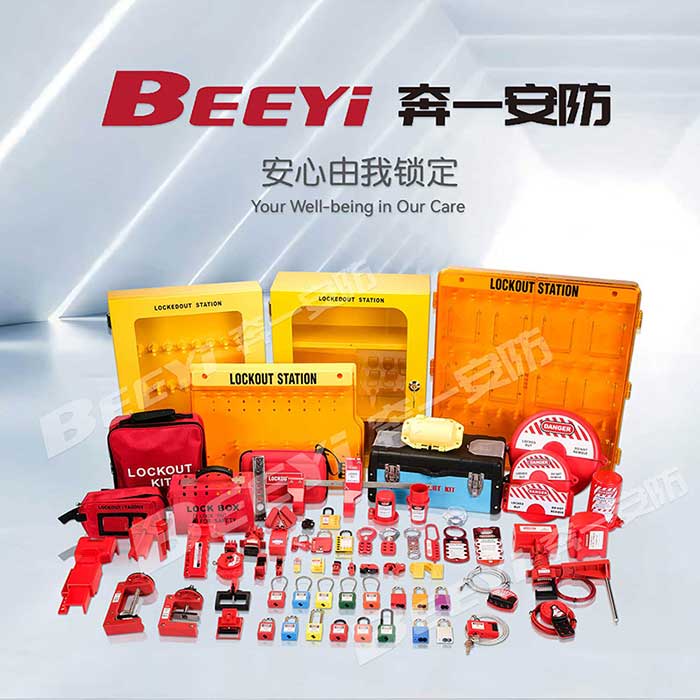
What is a Valve Lockout Device? A Valve Lockout Device is a mechanical safety device used to prevent the operation of a valve by physically securing it in a locked position during maintenance or repair work. This device typically covers the valve handle or actuator, preventing unauthorized personnel from turning the valve on or off. The primary function of these devices is to prevent accidental fluid, gas, or power flow that could endanger maintenance workers. Valve lockout devices are a vital component of Lockout/Tagout procedures, which are designed to ensure that hazardous energy sources (such as electrical, mechanical, hydraulic, or pneumatic energy) are properly isolated before maintenance or repair work is performed. By preventing accidental valve activation, these devices help to eliminate one of the most common causes of workplace accidents: unexpected releases of energy.