Industrial environments, particularly those involving heavy machinery, electrical systems, or complex processes, can pose significant risks to workers. One of the most crucial aspects of ensuring safety in these environments is implementing effective lockout/tagout (LOTO) procedures. Among the tools used in these procedures, Industrial Lockout Hasps play a pivotal role in preventing accidents and ensuring the safety of maintenance workers. This article delves into the importance, function, and best practices of using lockout hasps in industrial settings.
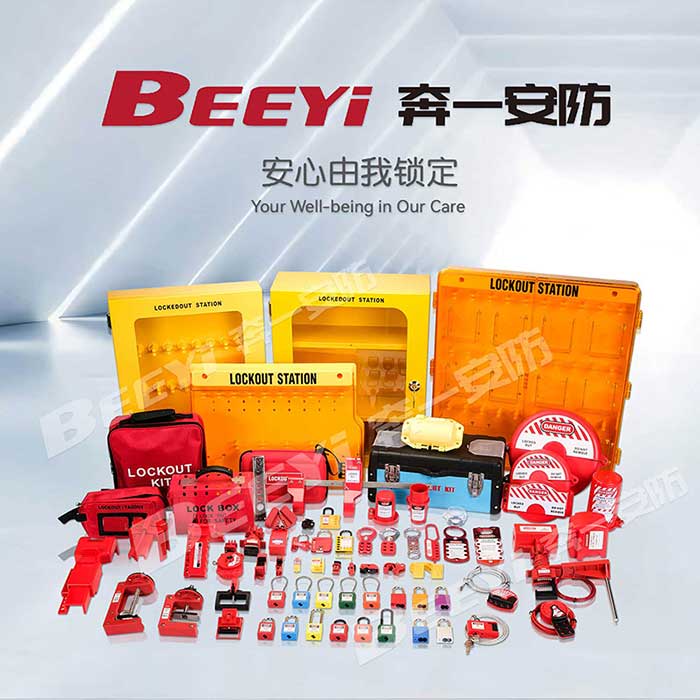
What Are Industrial Lockout Hasps? An Industrial Lockout Hasp is a safety device used as part of the lockout/tagout system in workplaces, particularly in industries involving machinery or electrical systems. The primary function of a lockout hasp is to secure an energy-isolating device—such as a valve, circuit breaker, or electrical panel—in a safe position to prevent accidental activation or release of hazardous energy during maintenance or repair work. Typically made from durable materials such as steel or stainless steel, industrial lockout hasps feature a locking mechanism that allows multiple locks to be applied at once. This makes it possible for multiple workers to lock out a piece of equipment simultaneously, ensuring that each individual can control their own safety while performing their tasks.