Relay functional testing plays an essential role in ensuring the reliability and efficiency of electrical control systems. Relays are devices that act as electrical switches, opening or closing circuits in response to an external signal. They are widely used for automation, protection, and control in various industries, from power grids to industrial machinery. To ensure the proper functioning of these vital components, relay functional testing is conducted to verify their operation under different conditions and fault scenarios. This article delves into the key aspects of relay functional testing, its importance, and its applications.
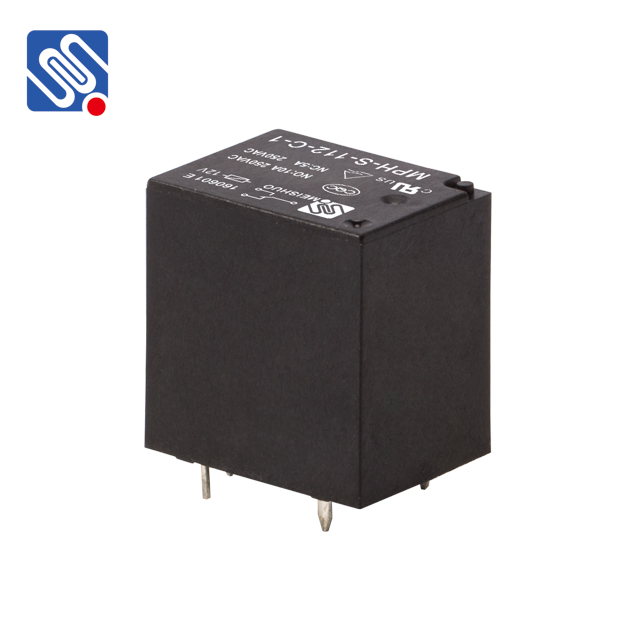
The Importance of Relay Functional Testing At the heart of every electrical control system is the relay. Whether it’s in an industrial automation system, power grid protection, or machinery control, relays act as switches that ensure circuits operate safely and effectively. A malfunctioning relay could lead to equipment damage, system failure, or even safety hazards. This makes relay functional testing crucial for verifying that relays meet the required specifications and perform their intended tasks under real-world conditions. Functional testing not only assesses the operation of the relay but also checks its ability to perform in various fault situations, simulating overloads or short circuits that may occur in a live system. Without proper testing, the risk of an unnoticed failure could compromise the system’s overall performance and safety.