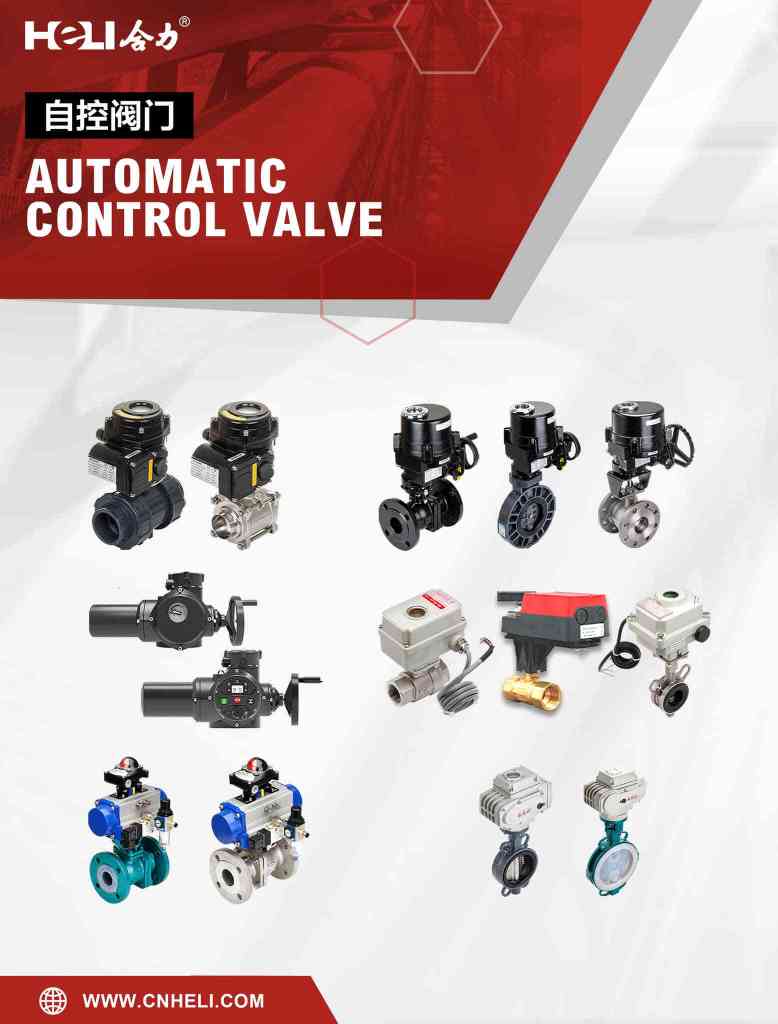
Electric valves, also known as electrically actuated valves, are an essential component in modern automation systems. These valves play a crucial role in controlling the flow of liquids and gases in various industries, including water treatment, oil and gas, food processing, and HVAC (Heating, Ventilation, and Air Conditioning) systems. The integration of electric actuators with valves allows for precise and efficient control, offering numerous benefits such as improved system performance, energy efficiency, and enhanced automation.
Understanding Electric Valves
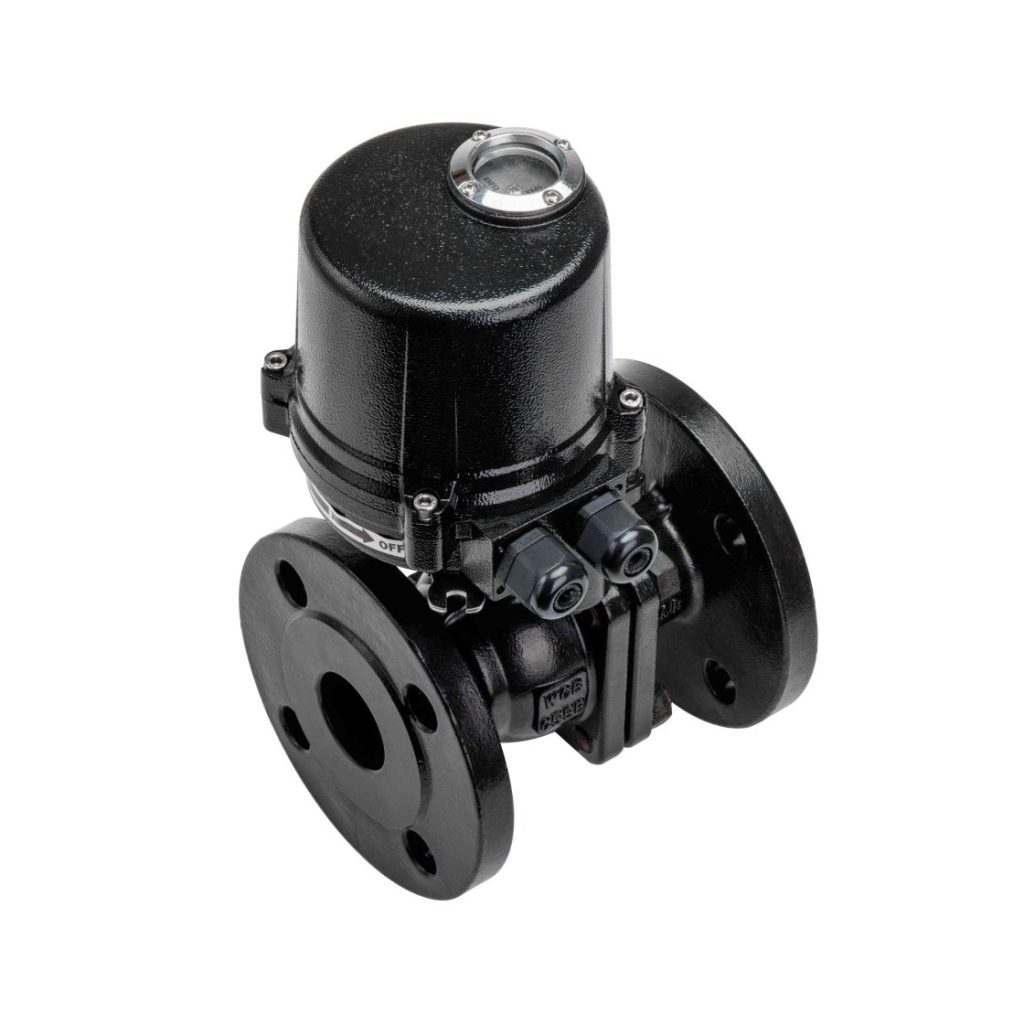
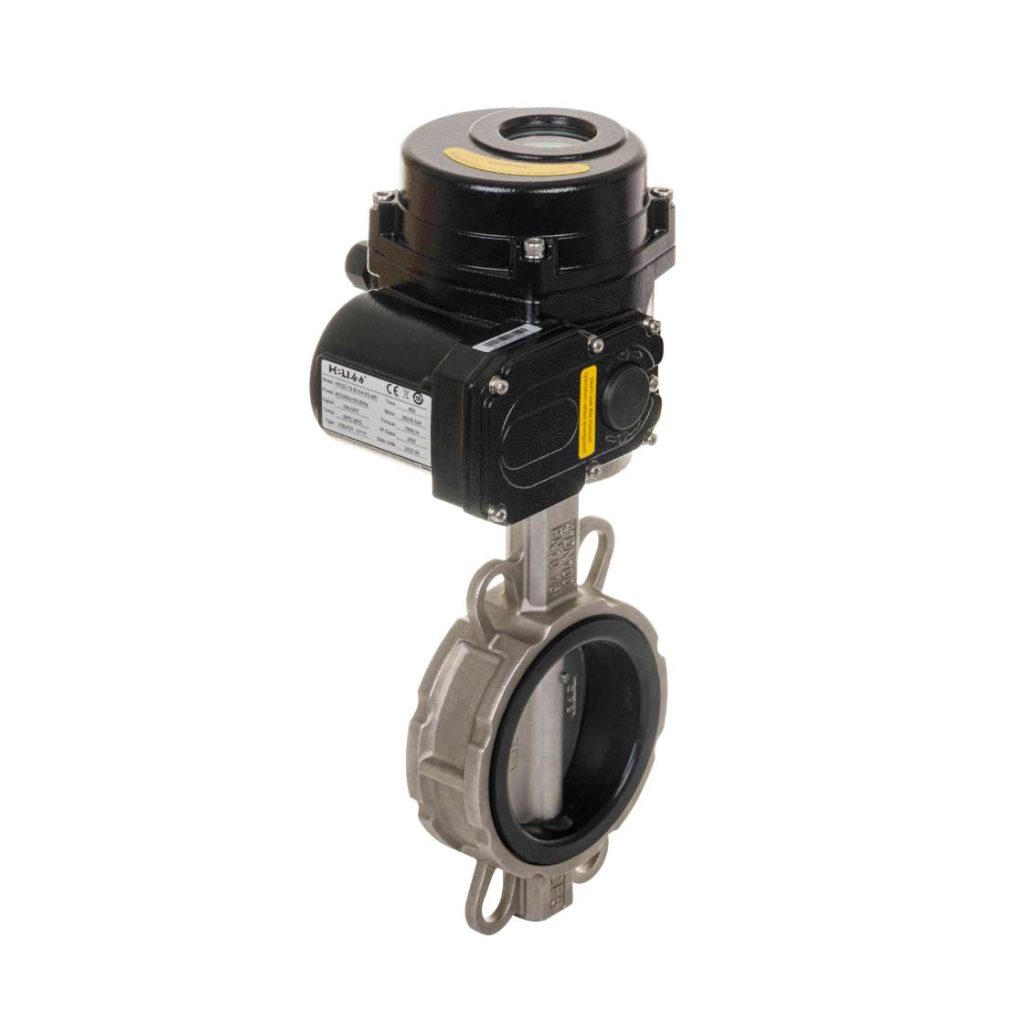
At its core, an electric valve consists of two main components: a valve body and an electric actuator. The valve body is responsible for regulating the flow of fluids, while the electric actuator operates the valve by providing the necessary force to open, close, or modulate the valve. The actuator is powered by electricity, typically through a 24V DC or 110/220V AC electrical supply, depending on the application. Electric valves can be divided into two main categories: on/off valves and modulating valves. On/off valves function by either fully opening or closing the valve, depending on the command received from a control system. Modulating valves, on the other hand, allow for precise control of the flow rate by adjusting the position of the valve incrementally. This fine-tuned control makes them ideal for applications where maintaining a specific flow rate or pressure is critical.