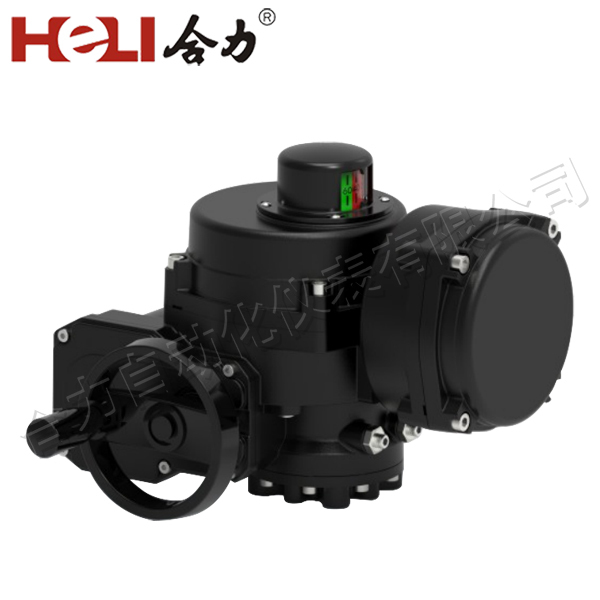
Hydrogen energy electric actuators represent an exciting and sustainable advancement in the world of automation and energy systems. By integrating hydrogen fuel cells with electric actuators, this technology offers an eco-friendly alternative to traditional energy sources, with potential applications across various industries, from automotive to aerospace. In this article, we will explore the working principles, benefits, challenges, and future prospects of hydrogen energy electric actuators.
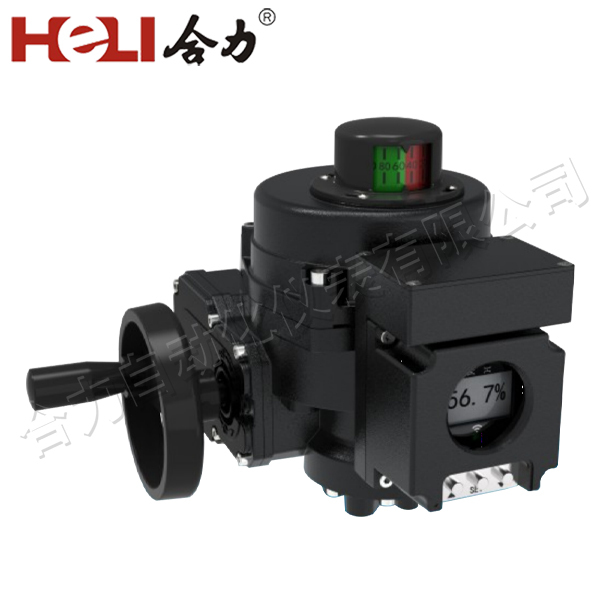
Understanding Hydrogen Energy Electric Actuators
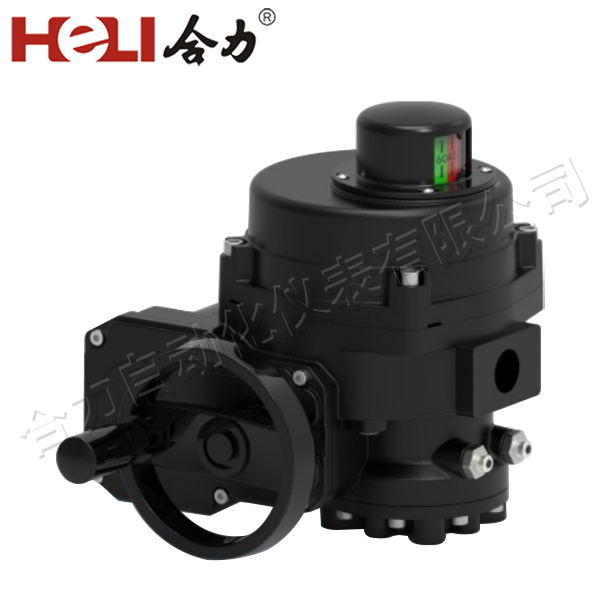
A hydrogen energy electric actuator is a mechanical device that uses electricity produced by hydrogen fuel cells to generate motion. The core of this technology lies in the fuel cell, which converts the chemical energy of hydrogen gas into electrical energy through an electrochemical reaction with oxygen, producing water as the only byproduct. This electricity is then used to power electric actuators, which convert electrical energy into mechanical motion, allowing for precise control in applications that require movement. The key advantage of hydrogen fuel cells in this context is their ability to provide a clean, renewable, and efficient energy source for actuators. While traditional actuators rely on electrical grids or batteries, hydrogen-powered actuators operate in a way that contributes to reducing emissions, offering a green alternative in industries aiming to lower their carbon footprints.