In modern electrical systems, particularly in high voltage direct current (HVDC) transmission, the need for efficient and reliable switching components is paramount. The High Voltage DC Main Relay plays a critical role in ensuring that electrical circuits remain safe, operational, and responsive under high-stress conditions. These relays are essential in a wide range of applications, including HVDC transmission systems, electric vehicles (EVs), railway electrification, and energy storage systems. In this article, we will explore the working principle, applications, and technological challenges associated with High Voltage DC Main Relays, underscoring their importance in contemporary power systems.
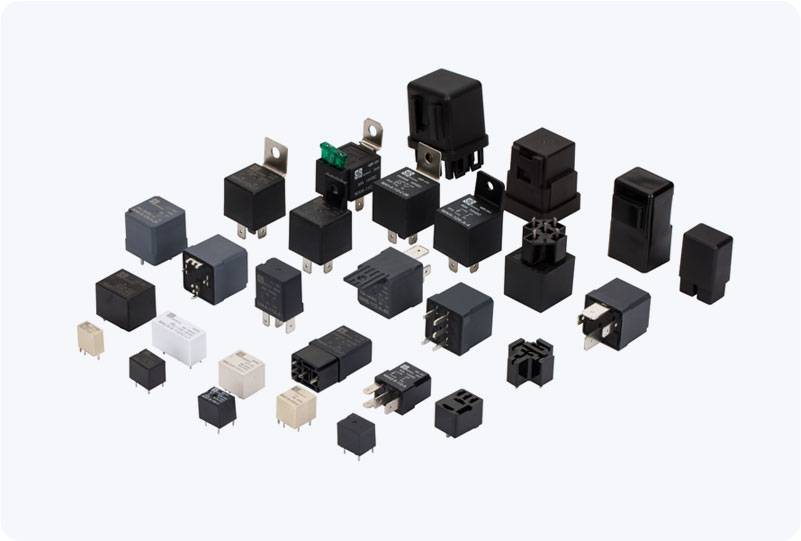
Understanding the High Voltage DC Main Relay A High Voltage DC Main Relay is designed to control the flow of high-voltage direct current (DC) in electrical circuits. Unlike alternating current (AC), which periodically reverses direction, DC remains constant, making it more challenging to control and interrupt, especially at high voltages. In these scenarios, relays are used to switch the DC circuit on and off, preventing overvoltage and short-circuit risks while ensuring system reliability. At its core, the DC main relay consists of components that can withstand the electrical stress associated with high-voltage circuits. These relays typically use electromagnetic mechanisms or solid-state devices like MOSFETs and IGBTs to open and close the circuit. When the relay is activated, it either allows or interrupts the flow of high-voltage DC electricity.