Industrial relays are essential components used in a wide variety of applications, ranging from controlling motors and lighting to managing complex automated systems. These devices play a crucial role in ensuring the safe and efficient operation of electrical circuits. Over time, however, relays can fail due to wear, damage, or improper usage. Testing a relay with a multimeter is an effective way to diagnose problems and ensure the relay is functioning correctly. In this article, we will guide you through the process of testing an industrial relay with a multimeter.
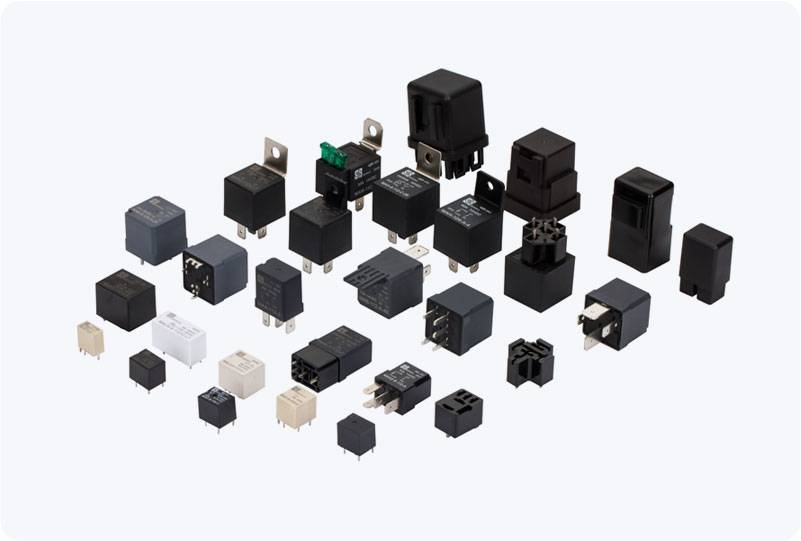
Understanding Industrial Relays An industrial relay typically consists of two main components: a coil and contacts. The coil is energized by an electrical current, generating a magnetic field that either closes or opens the relay’s contacts. The contacts are typically either normally open (NO) or normally closed (NC). A properly functioning relay allows electrical current to flow through its contacts when energized, and blocks current flow when not energized. Step 1: Safety First Before testing a relay, it’s important to ensure that the device is not connected to any power source. Disconnect the relay from the electrical system to avoid electrical shock or damaging the multimeter. Always prioritize safety by wearing appropriate personal protective equipment and working in a dry, well-lit environment.