In the rapidly advancing world of smart technologies and the Internet of Things (IoT), seamless communication between devices is critical. One of the key enablers of such communication is the Zigbee protocol, which is known for its low power consumption and reliable wireless connectivity. The Zigbee Relay Module, a device that leverages the Zigbee wireless communication standard, plays an essential role in various smart home and automation applications. This article explores the Zigbee Relay Module, its features, benefits, and its potential in transforming the way we interact with our devices.
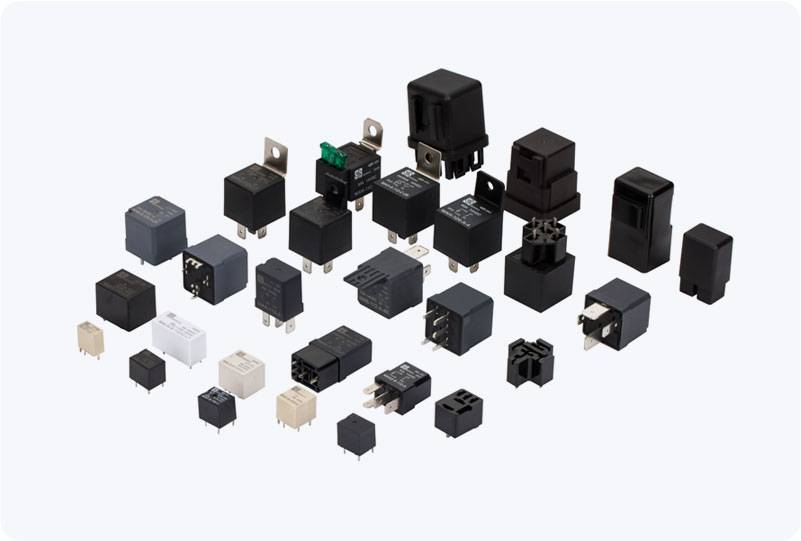
What is the Zigbee Relay Module? A Zigbee Relay Module is a versatile electronic component that enables wireless control of electrical devices using the Zigbee protocol. It typically consists of a relay (an electrically operated switch) and a Zigbee communication interface that allows it to wirelessly connect to other Zigbee-enabled devices. This module allows users to remotely control appliances, such as lights, fans, and other high-power equipment, using Zigbee-based networks. Key Features of Zigbee Relay Module Wireless Communication: The Zigbee Relay Module operates on the Zigbee protocol, which is designed for short-range, low-power communication between devices. It can operate in a mesh network, where devices can relay data to each other, enhancing the range and reliability of the network.