In industrial environments, ensuring the safety of employees working around heavy machinery and hazardous energy sources is crucial. One of the most effective ways to protect workers from accidents during maintenance, repairs, or servicing is the Lockout-Tagout (LOTO) procedure. This safety protocol involves using specific tools and equipment designed to prevent the accidental release of hazardous energy, such as electricity, mechanical motion, hydraulic pressure, or chemical reactions. The equipment used in this process plays a significant role in preventing injuries or fatalities in the workplace.
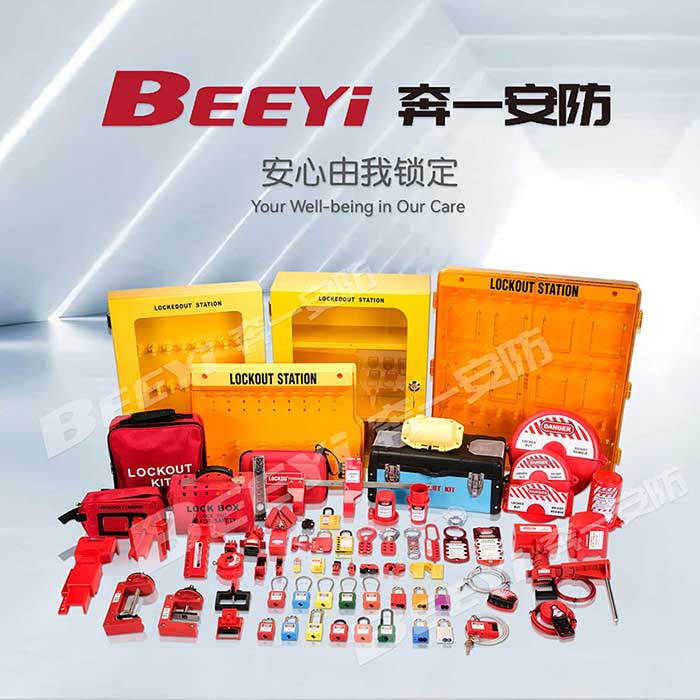
What is Lockout-Tagout (LOTO)? Lockout-Tagout is a safety procedure used to ensure that hazardous energy sources are properly isolated and cannot be released during maintenance or servicing tasks. It involves two key components: lockout and tagout. Lockout refers to the use of a physical lock to isolate an energy source, while tagout refers to the use of a warning tag placed alongside the lock to indicate that the equipment is under maintenance. The purpose of the LOTO procedure is to provide a fail-safe mechanism that prevents any accidental activation or deactivation of machinery, which could result in serious injuries or even death. This is particularly important in industries where machines or systems are powered by high-energy sources, such as electricity, pressurized steam, or compressed gases.