Relay systems have been an integral part of various fields, from electronics to communication, and even in sports. Their utility lies in their ability to efficiently transmit signals, control circuits, and enable large-scale communication systems to function seamlessly. Whether in the context of electrical engineering, computer science, or even team sports, understanding the function and importance of relays can enhance the performance of any system or process they are part of.
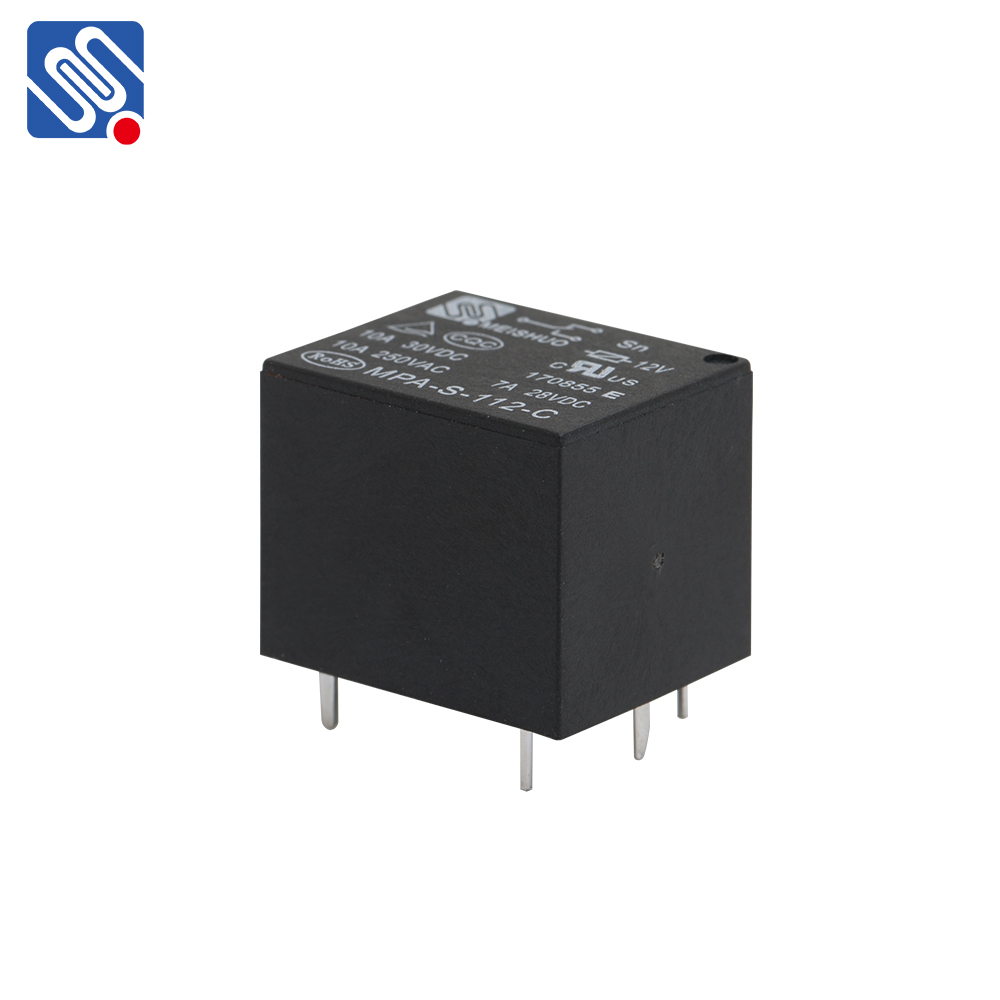
Understanding the Basics of Relays In the context of electrical circuits, a relay is an electromechanical switch used to control the flow of electricity. At its core, a relay is a device that opens or closes a circuit in response to an electrical signal. It essentially acts as an intermediary between a low-power control circuit and a high-power load circuit. When a small current is passed through the relay’s coil, it generates a magnetic field that either attracts or repels a mechanical arm, switching the relay’s contacts and thus controlling the current in the load circuit. The ability to control high-power devices with a low-power signal makes relays incredibly useful in many applications. They are used in everything from household appliances like washing machines to complex industrial machinery. Additionally, relays are crucial in automotive systems, protecting sensitive components from power surges by ensuring that high voltages and currents do not reach them directly.