Relay circuit protection is a crucial aspect of modern electrical systems, ensuring the safety, reliability, and longevity of equipment by preventing damage caused by overloads, short circuits, and other electrical faults. As electrical components become more complex and integral to everyday life, understanding the importance of relay circuit protection becomes essential for both safety and performance. This article explores the principles, types, and applications of relay circuit protection, shedding light on how this technology helps safeguard electrical circuits from various risks.
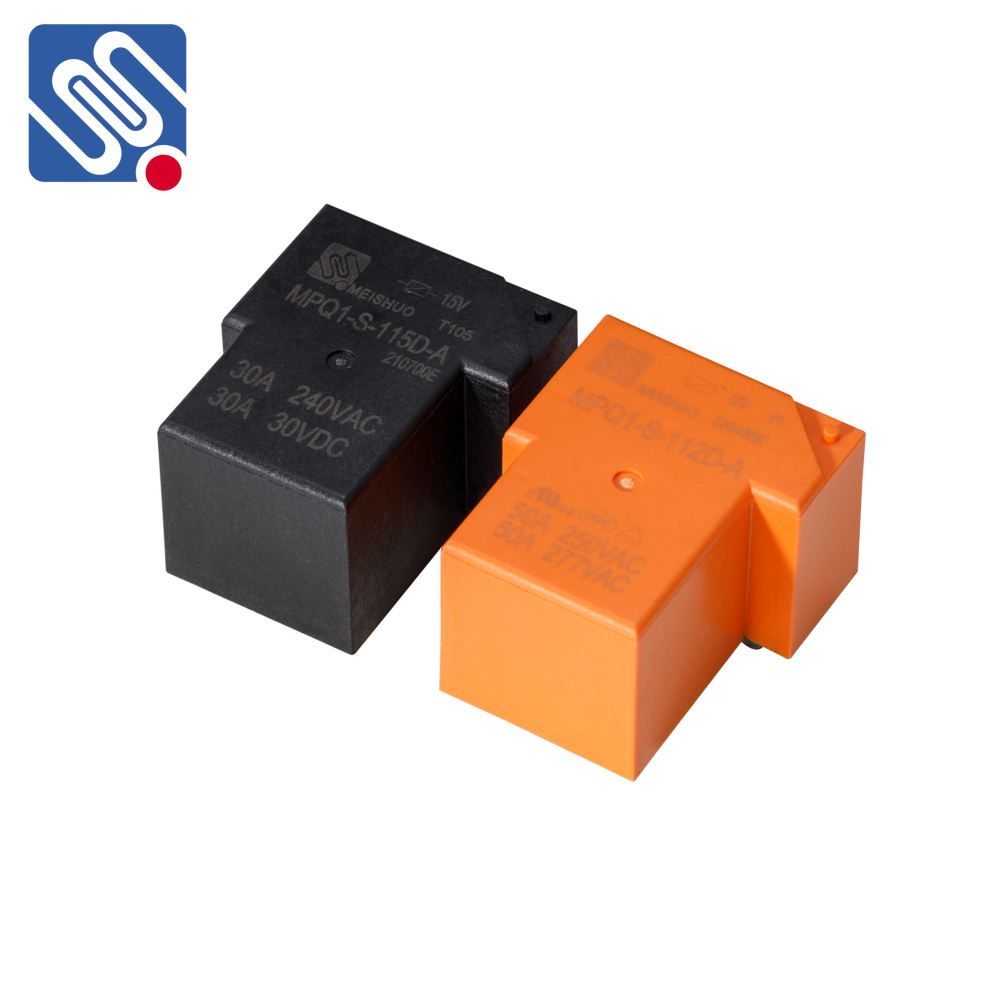
What is Relay Circuit Protection? At its core, relay circuit protection involves the use of relays—electrical switches that are activated by an electrical current or signal—to monitor and control the flow of electricity in a circuit. The primary goal of these relays is to disconnect a circuit or protect a device from harmful conditions such as excessive current, voltage fluctuations, or ground faults. These protections help in preventing irreversible damage to expensive electrical equipment, reduce downtime, and minimize the risk of fire or electric shock. The Role of Relays in Circuit Protection