A Circuit Breaker Relay is a crucial component in modern electrical systems, combining the functions of both a relay and a circuit breaker. Its primary purpose is to protect electrical circuits and equipment from damage caused by overcurrent, short circuits, or other abnormal conditions. By acting as both a sensor and a switch, the circuit breaker relay ensures that electricity flows safely and efficiently while minimizing the risk of electrical accidents.
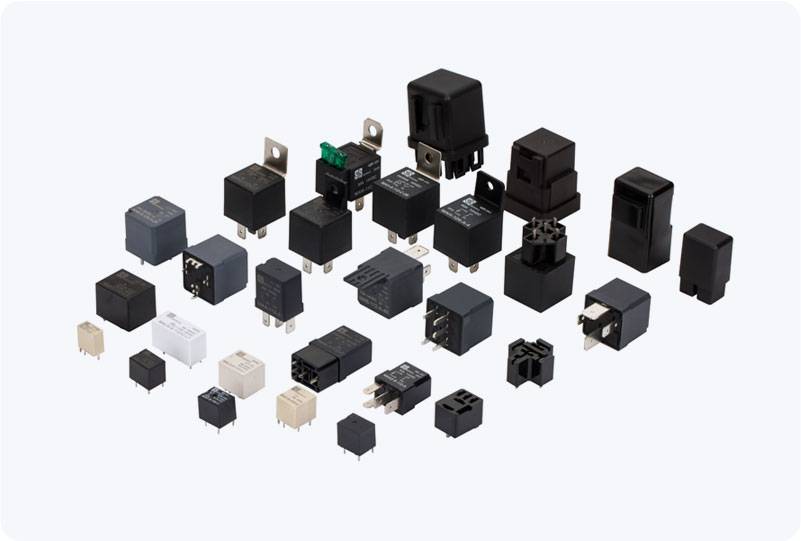
At its core, a circuit breaker relay continuously monitors the current flowing through a system. When the current exceeds a predefined threshold, the relay detects the anomaly and immediately triggers the circuit breaker to open the circuit. This rapid response prevents overheating, equipment failure, or even fire hazards. Unlike traditional fuses, which must be replaced after operation, circuit breaker relays can be reset, offering convenience and cost-effectiveness for both industrial and residential applications. Circuit breaker relays are particularly essential in industrial environments where large machines and sensitive equipment operate simultaneously. For instance, in manufacturing plants, high-power motors and heavy machinery can draw large currents that may fluctuate unpredictably. A sudden surge in current due to a short circuit or mechanical fault can cause significant damage. The circuit breaker relay acts as a safeguard, automatically disconnecting the power supply to prevent catastrophic outcomes. Additionally, many circuit breaker relays include advanced features such as adjustable trip settings, time delays, and remote monitoring, allowing operators to customize protection based on specific system requirements.