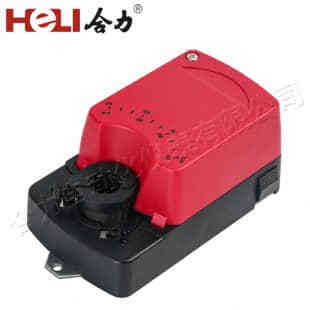
Damper actuators play a critical role in the efficient operation of heating, ventilation, and air conditioning (HVAC) systems. They are responsible for controlling the airflow through ductwork by opening or closing dampers based on the system’s needs. This article explores the functionalities, types, applications, and benefits of damper actuators in modern HVAC systems.
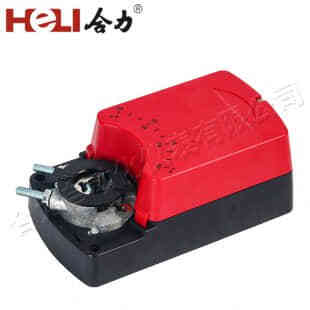
What is a Damper Actuator?
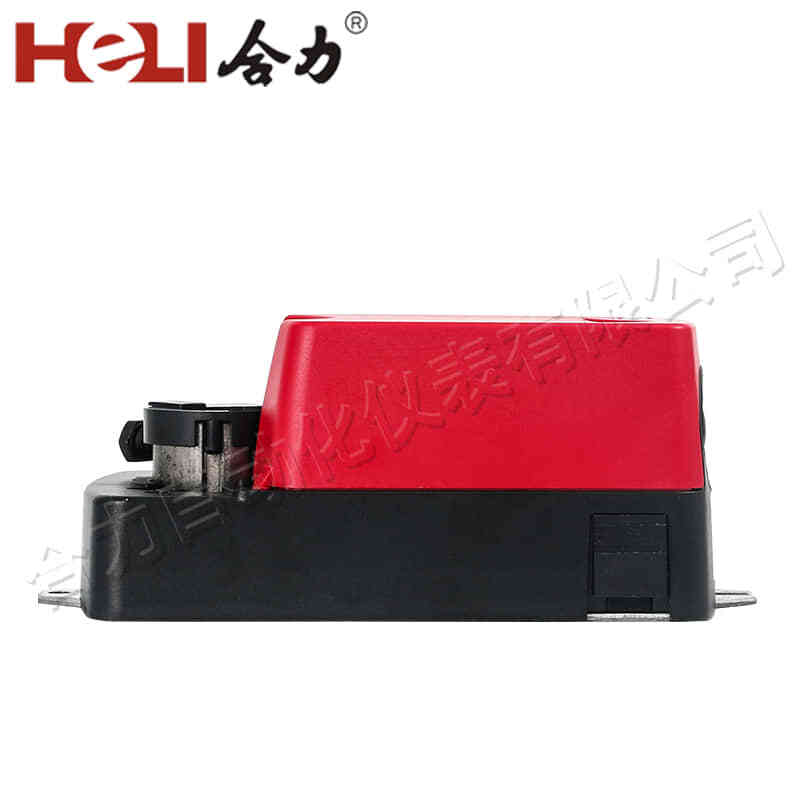
A damper actuator is an electromechanical device that automatically adjusts the position of a damper, which is a mechanical device used to regulate the airflow in a ventilation system. The primary function of a damper actuator is to modulate the airflow within a duct system, ensuring that the desired air volume reaches different parts of a building. By controlling the opening and closing of the dampers, these actuators help maintain optimal indoor air quality, comfort, and energy efficiency. Types of Damper Actuators Damper actuators come in various types, each designed for specific applications and functionalities. The most common types include: