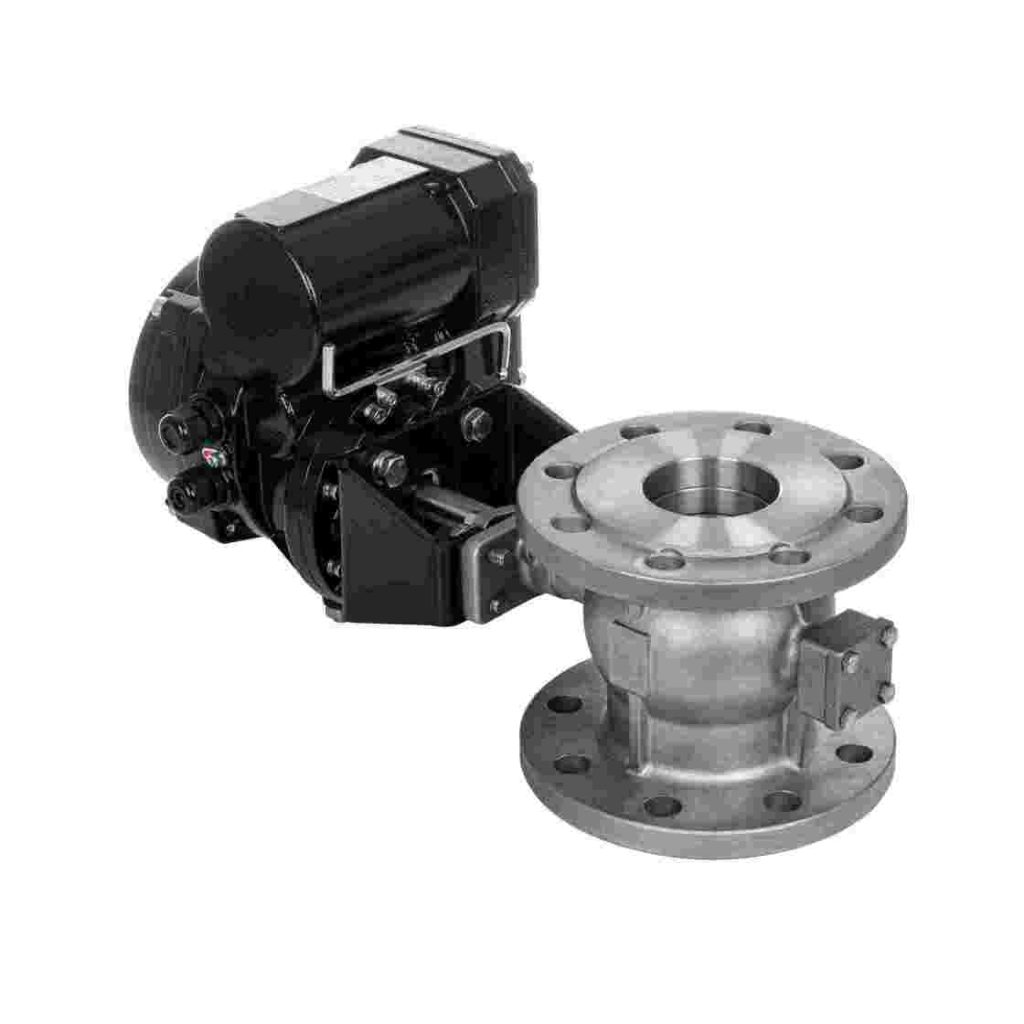
As the world shifts toward sustainable energy solutions, hydrogen is increasingly recognized as a pivotal player in the renewable energy landscape. With its ability to store energy and produce zero emissions when used in fuel cells, hydrogen holds immense promise for mitigating climate change and reducing reliance on fossil fuels. As hydrogen energy systems become more prevalent, the role of specialized components, like the hydrogen energy electric valve, is critical for ensuring efficiency, safety, and reliability in various applications.
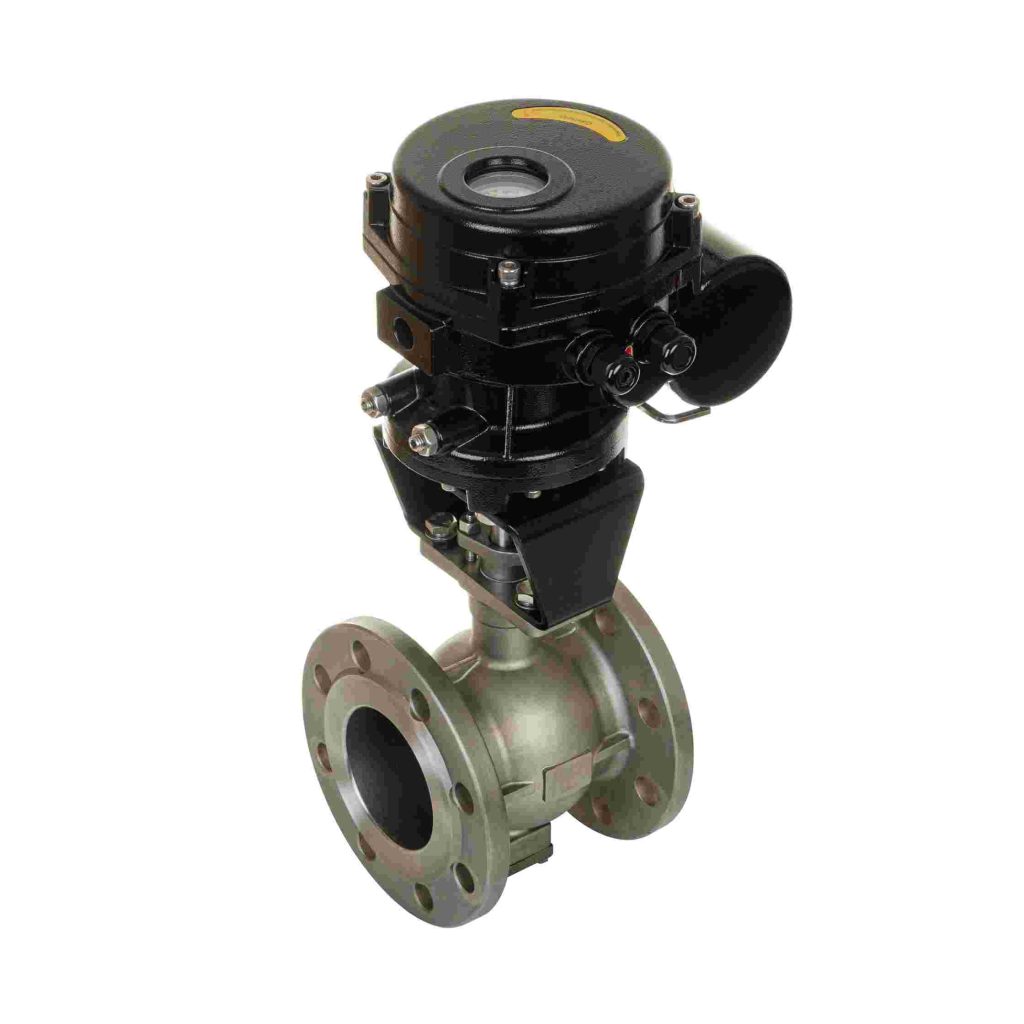
Understanding Hydrogen Energy Electric Valves

A hydrogen energy electric valve is an electrically actuated valve designed specifically for controlling the flow of hydrogen gas. It can be employed across various stages of the hydrogen value chain, including production, storage, transportation, and utilization in fuel cells. The unique properties of hydrogen, such as its small molecular size and its tendency to diffuse rapidly, require that these valves be engineered to prevent leaks and ensure optimal flow control under high-pressure conditions. Key Features Corrosion Resistance: Hydrogen is a highly reactive substance, particularly under high-pressure conditions. Therefore, hydrogen energy electric valves must be constructed from materials that can withstand corrosion. Typically, manufacturers utilize high-grade stainless steels and special alloys that provide enhanced durability and longevity.